IAMC Weekly India Human Rights Monitor (November 21, 2026)
This Week at a Glance
This week, three Muslim men died in separate attacks and in custody, including a homeless ragpicker set on fire in Bengaluru and a 23-year-old who died in a Haryana jail after alleged police torture. Assam razed the homes of 174 Muslim families and a mosque, and Madhya Pradesh bulldozed a 300-year-old Sufi shrine. A Reuters investigation found that Muslims dropped from voter rolls are being detained and deported. West Bengal’s BJP leaders defended police killings and threatened Christian schools. The Supreme Court granted bail to two men convicted of gang-raping Bilkis Bano. Elsewhere, a Dalit man was beaten to death in Uttar Pradesh, and India attacked USCIRF over jailed activist Sharjeel Imam.
Top Stories
Three Muslim men die after a burning, a beating, and alleged custodial torture
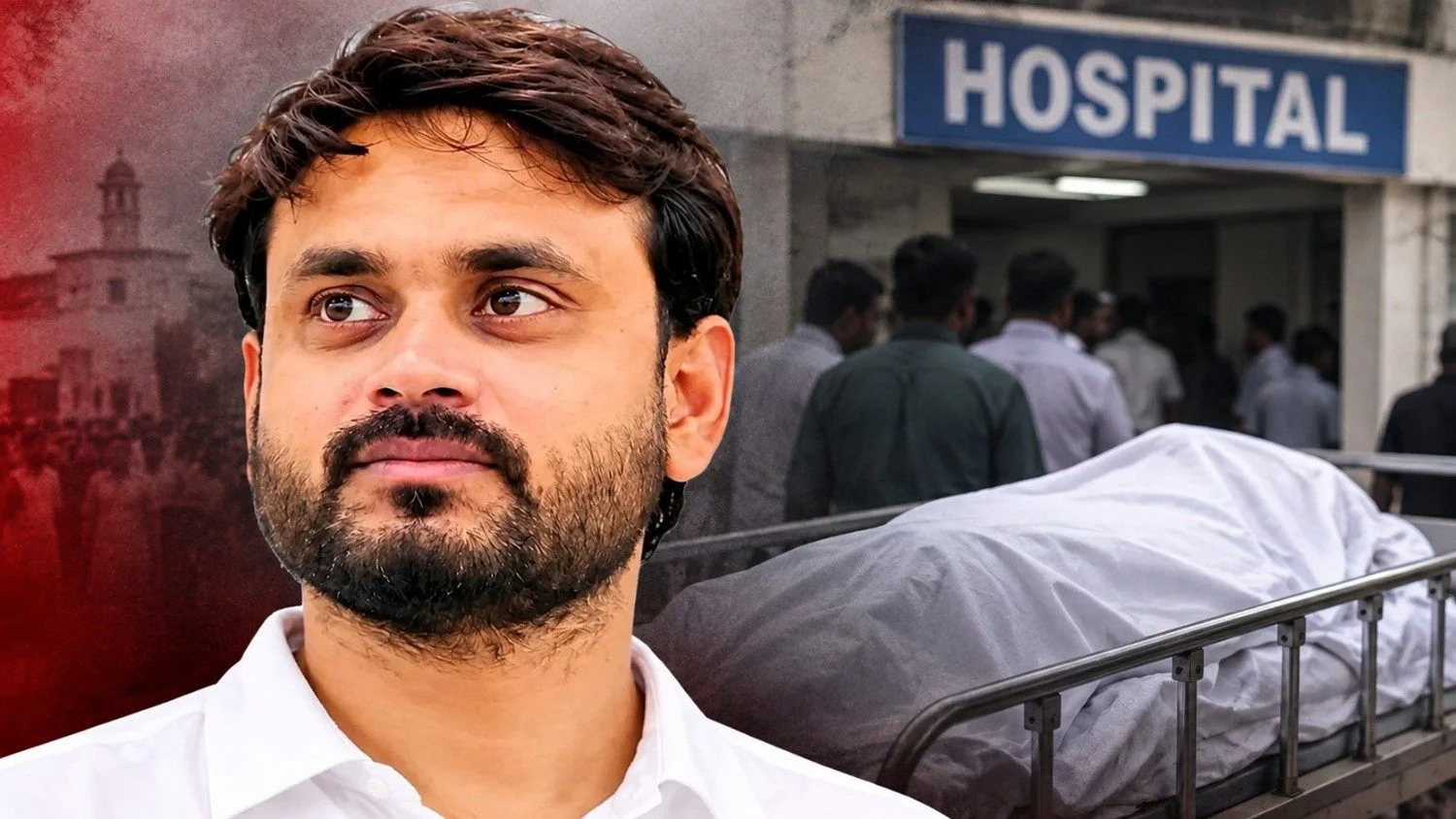
Syed Haji, a homeless Muslim ragpicker in Bengaluru, died with burns over 60 to 70 percent of his body after two men lured him, tied him up, and set him on fire, and police have made no arrests or named a motive. In Haryana, 23-year-old Rehan died in Faridabad jail after what his family says was police torture following a false robbery arrest, and they accuse officers of extorting about $21,400 from them, which police deny. In Bihar, 32-year-old Muslim social worker Sikandar Khan died after a doctor and hospital staff allegedly locked him inside a private hospital and beat him with a baseball bat and iron rods, and his family suspects a plot to silence an emerging Muslim leader.

Bulldozers raze Muslim homes, a mosque, and a centuries-old shrine in Assam and Madhya Pradesh
Authorities in Assam’s Lakhimpur district razed 132 homes and a mosque, displacing 704 Bengali-origin Muslims whose families settled there after fleeing anti-Muslim violence in 1983, then demolished the homes of 42 more Muslim families, while residents said Hindu families on the same land were left untouched. In Madhya Pradesh, officials bulldozed the 300-year-old shrine of Sufi saint Hazrat Qasim Shah Wali in Khandwa, and razed three homes of Muslim and Adivasi families in Shajapur.
(AFP)
Muslims struck from voter rolls face detention and deportation
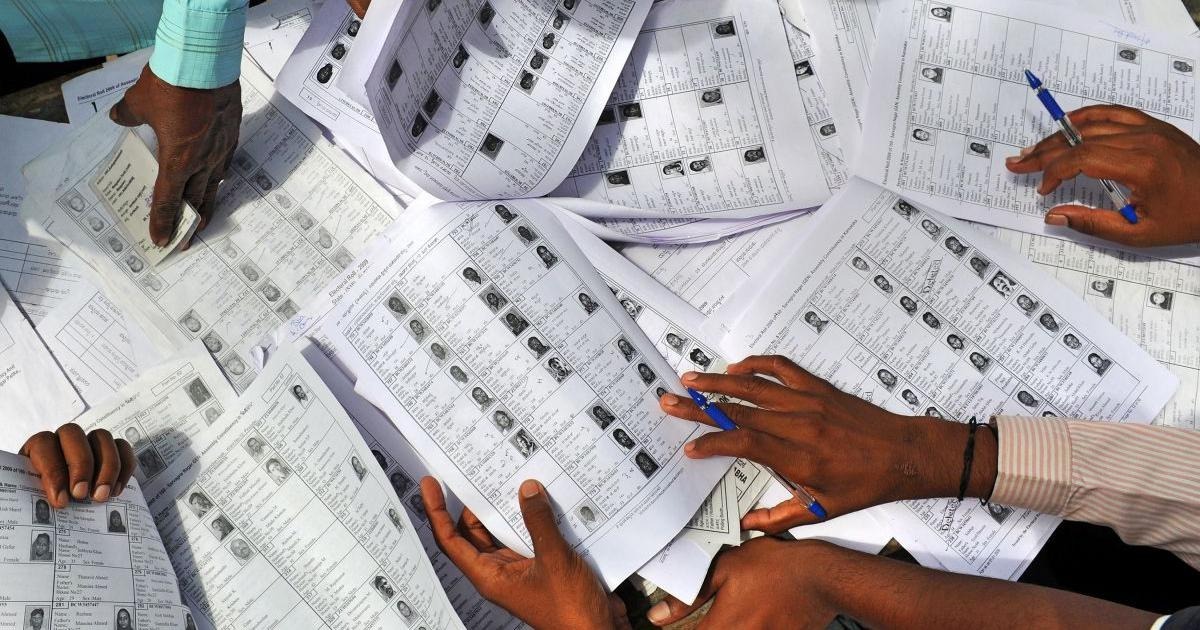
A Reuters investigation found that Muslims dropped from India’s revised voter rolls are being detained and deported, including 38-year-old Sahida Fakir, whom Mumbai police seized on her way to buy vegetables and had deported to Bangladesh. In West Bengal, Muslims made up about 70% of 2.7 million names deleted after review despite being 27% of the population, and Karnataka told the Supreme Court of a “staggering mass deletion” of 9.93 million names. Karnataka’s High Court also halted police investigations into 10 people accused of filing fake forms to delete Muslim voters.
Supreme Court grants bail to two men convicted of gang-raping Bilkis Bano
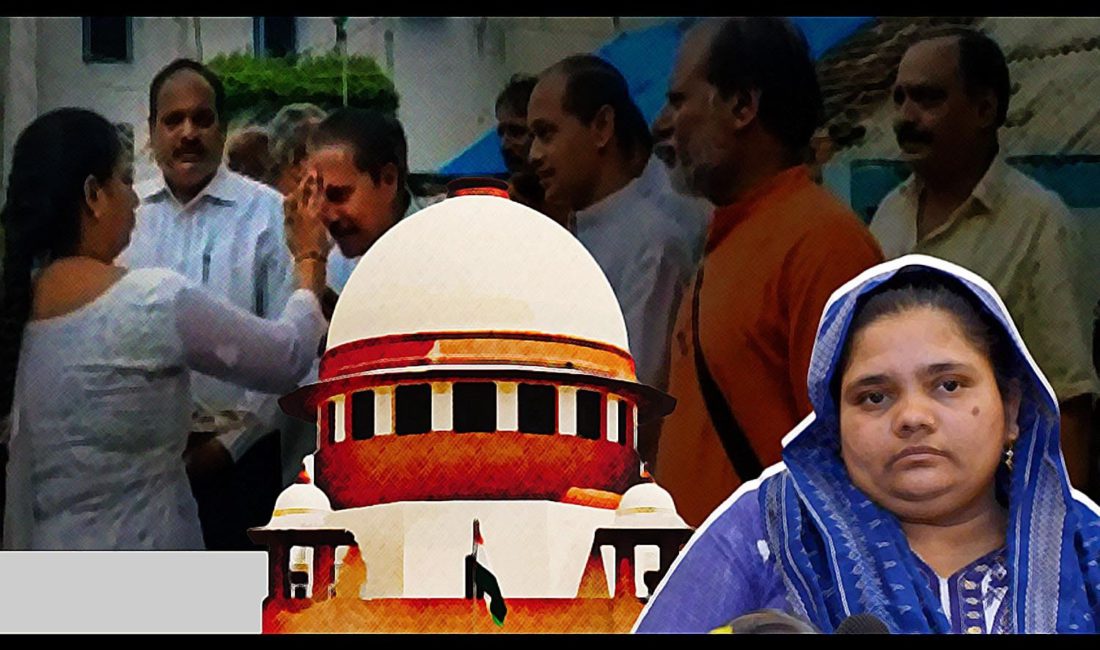
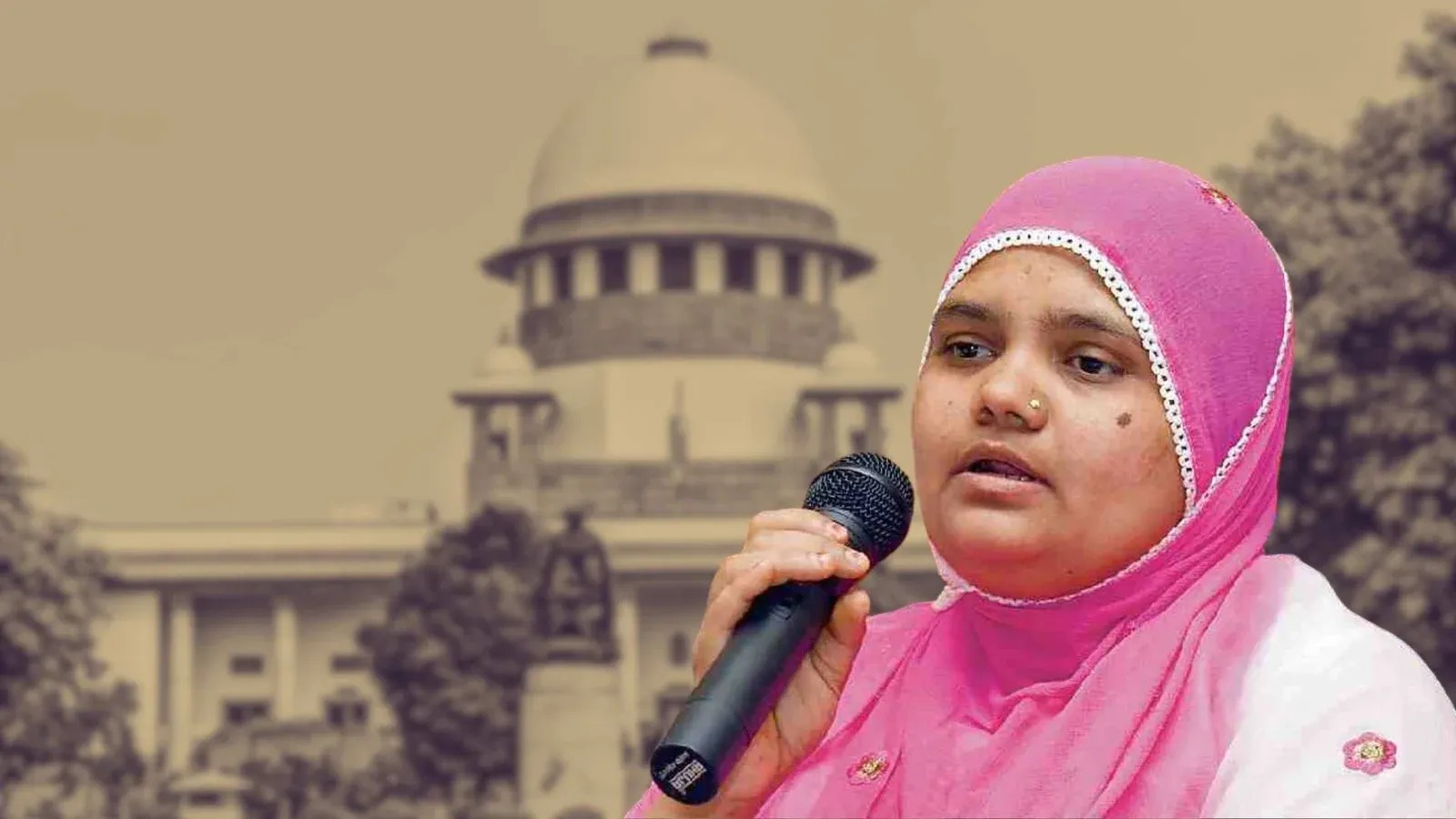
The Supreme Court suspended the life sentences of two of the 11 men convicted of gang-raping Bilkis Bano and murdering members of her family during the 2002 anti-Muslim pogrom in Gujarat, and granted them bail without hearing her. Bano, who learned of the order from press reports, said, “I am scared once again. For myself, my family, and my children.”
Hate crimes and discrimination in India
This week, West Bengal minister Dilip Ghosh defended at least five killings in alleged police encounters since the BJP took power in May. In Uttar Pradesh, a 50-year-old Dalit man was found beaten to death. West Bengal BJP president Samik Bhattacharya threatened Christian missionary schools over conversion claims. In Madhya Pradesh, police booked a Muslim man after Hindu groups protested over cattle that died from eating wedding food waste. The government extended its UAPA ban on Muslim preacher Zakir Naik’s Islamic Research Foundation for five more years. Telangana police detained leaders of a Muslim student group for seven hours to stop a protest against the state’s ties with Israeli companies. A British government report on the 2002 Gujarat pogrom, described by The Caravan, found the violence was possibly planned in advance and led by the VHP (Hindu militant group) with state support, and estimated that at least 2,000 people were killed.
Resistance & Organizing
USCIRF names Sharjeel Imam a religious freedom prisoner
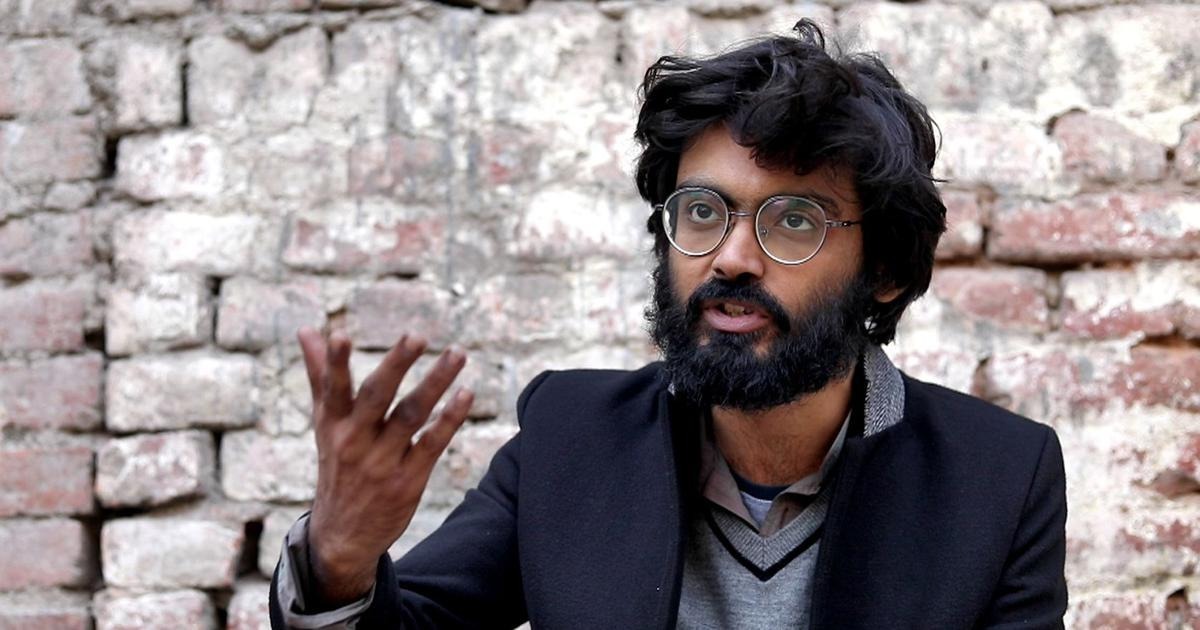
The US Commission on International Religious Freedom profiled Sharjeel Imam as “a prisoner detained for his religious freedom advocacy.” Imam is a prisoner of conscience, jailed since January 2020 under UAPA (India’s draconian anti-terror law) for protesting a discriminatory citizenship law. USCIRF described his part in those protests as peaceful.
Assam students take the fight against evictions to Delhi
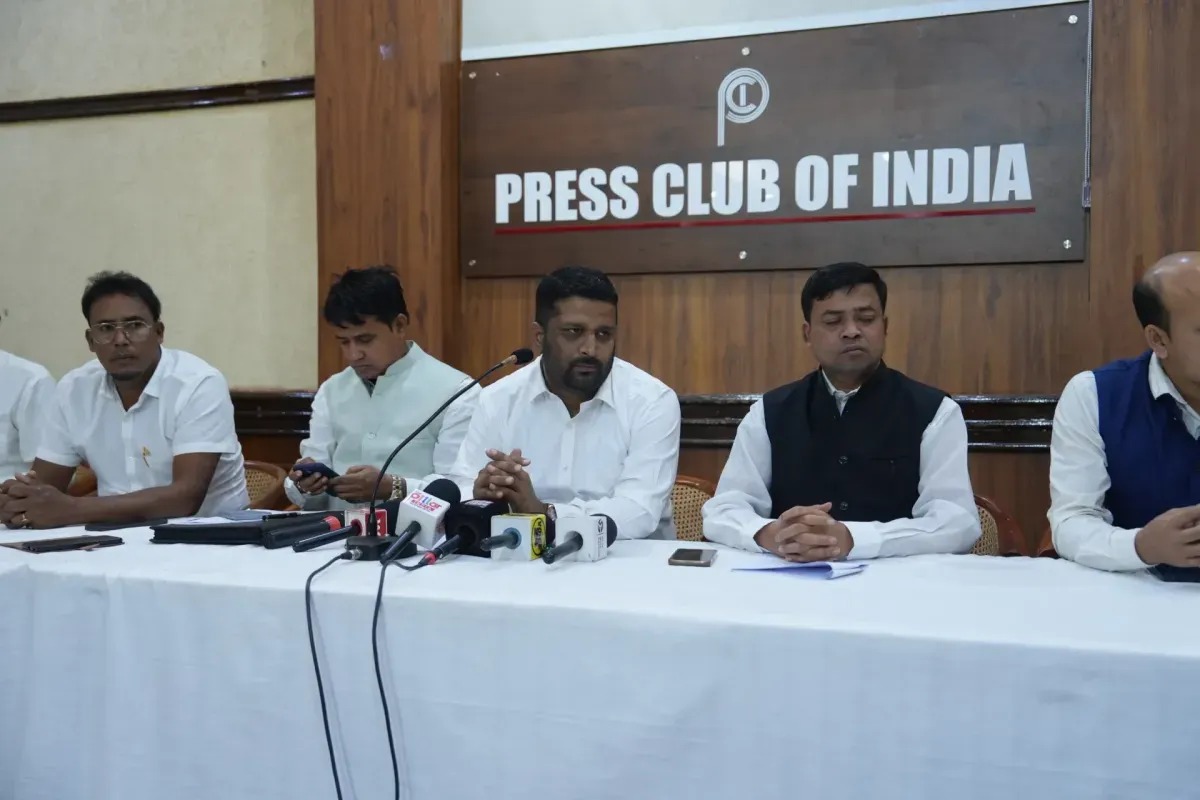
The All Assam Minorities Students’ Union protested in Delhi from November 14 to 17 against evictions it says target Muslims, and sent a ten-point memorandum to India’s President. “What we are protesting is that the government has been carrying out these evictions arbitrarily and selectively,” said union president Md Imtiaz Hussain.
Defender of the Week
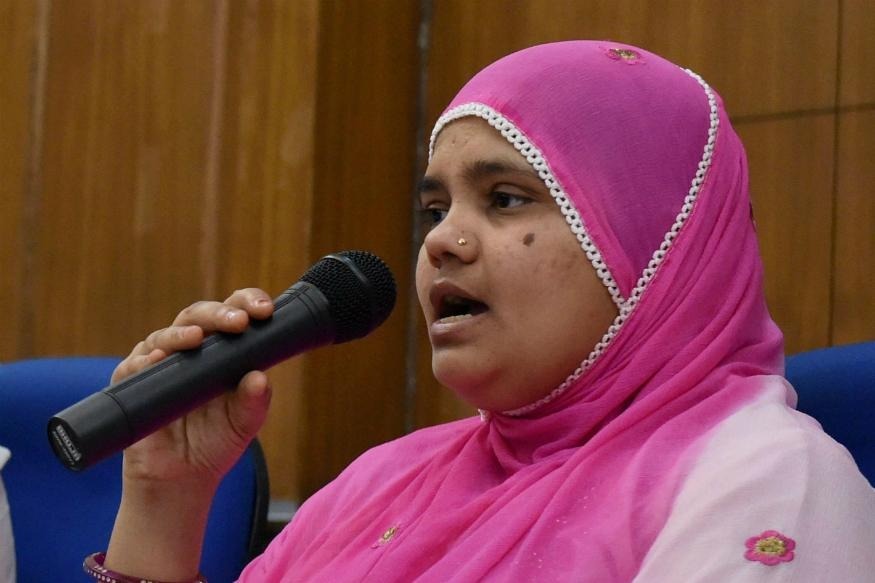
This week, we’re spotlighting Bilkis Bano, who survived gang rape and the killing of her family in the 2002 Gujarat pogrom and has fought for justice for more than two decades. After learning from press reports that the Supreme Court had granted bail to two of her convicted attackers without hearing her, she announced she would challenge the order, saying, “I will fight this order. I must.” Her persistence won the 2024 reversal of Gujarat’s early release of all 11 convicts, and her new challenge tests whether India’s courts will listen to survivors of anti-Muslim violence.