
IAMC Weekly India Human Rights Monitor (September 18, 2026)
This Week at a Glance
This week, a report documented 18 hate incidents during the Kanwar Yatra, while a mosque and madrasa in Karnataka were stoned during a procession. A global report ranked academic freedom in India as “severely restricted.” A Muslim teacher was shot dead by a man who cited “love jihad,” and a Muslim driver was assaulted and forced to chant Hindu slogans. Bulldozers reached Lakshadweep, while a court found Assam’s razing of 73 Muslim homes in Goalpara unlawful. A new record traced a decade of lynchings across the country, and a court cleared the partial demolition of a century-old mosque in Ujjain. Elsewhere, West Bengal ordered 252 madrasas shut, a Muslim IPS officer was transferred after being targeted for using Islamic greetings, Rohingya families in Jammu were evicted, and a journalist, an Indigenous rights lawyer and a Muslim-run skill centre faced intimidation.
Top Stories
Rights group documents 18 hate incidents during Kanwar Yatra; mosque stoned during procession in Karnataka
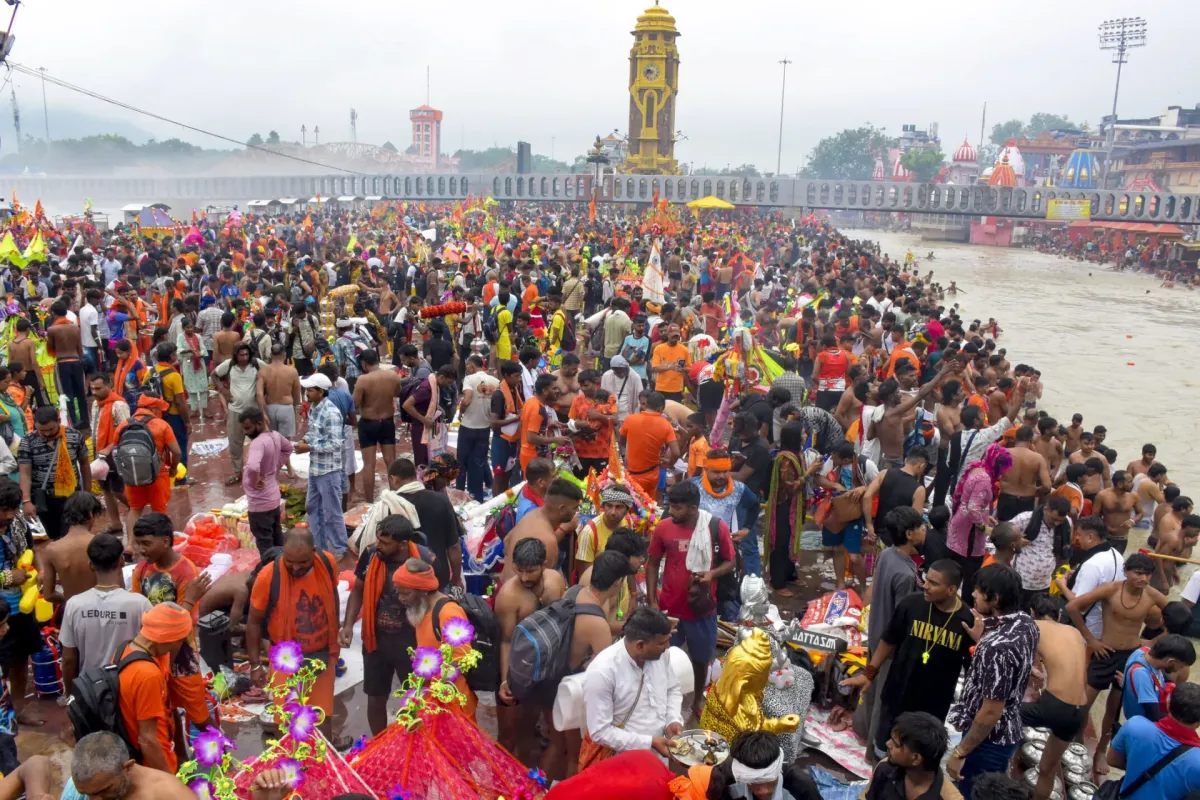
The Association for Protection of Civil Rights (APCR) documented at least 18 incidents of violence, coercion, discriminatory measures and obscene conduct during the 13-day Kanwar Yatra across Uttar Pradesh, Uttarakhand, Madhya Pradesh, Delhi and Bihar, several of them targeting Muslims and Muslim-owned businesses. In Karnataka’s Bhatkal, unidentified persons threw stones at a mosque and madrasa as a Hindu religious procession passed through the area.
Global report ranks India’s academic freedom as “severely restricted”
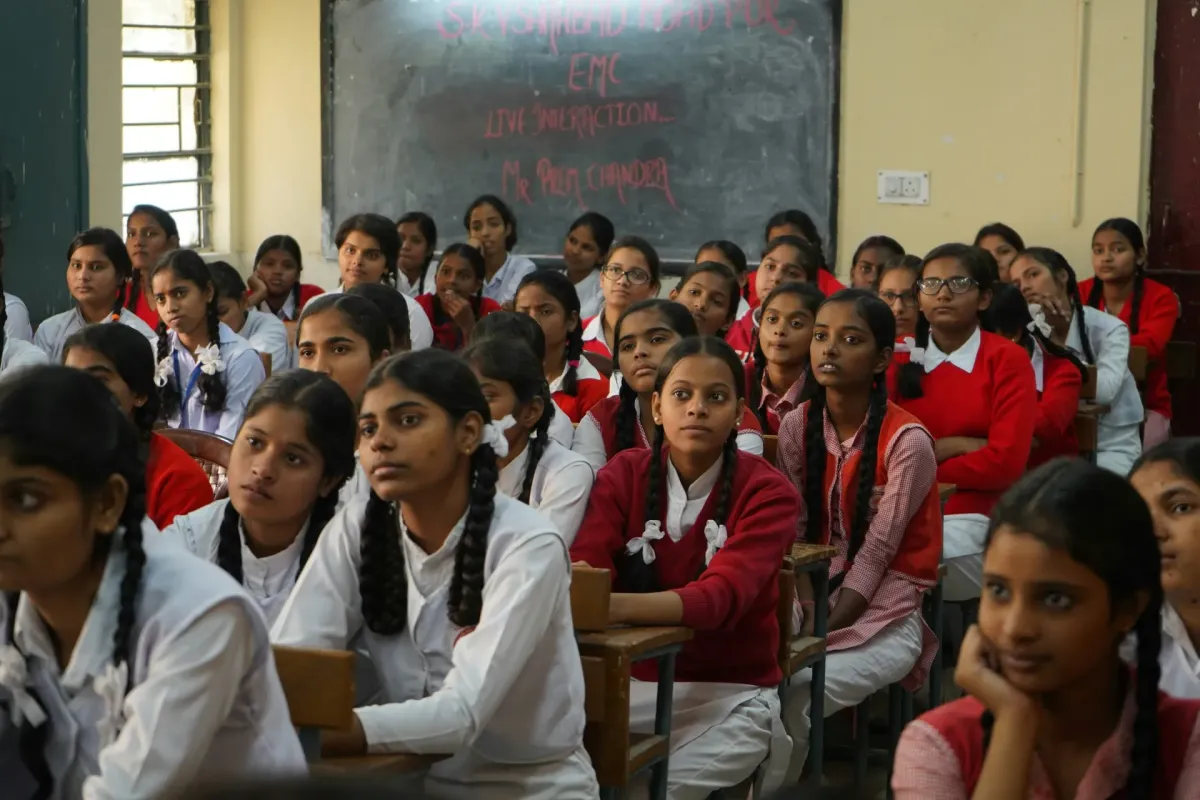
Scholars at Risk’s Free to Think 2026 report placed India among six countries where academic freedom is “severely restricted,” with its Academic Freedom Index score falling to 0.14. The report flagged growing government control over university governance, cancelled lectures and seminars by speakers critical of the BJP government, and pressure on student protesters from university authorities and police. It also cited the Jammu and Kashmir government’s ban on 25 books on Kashmir’s history.
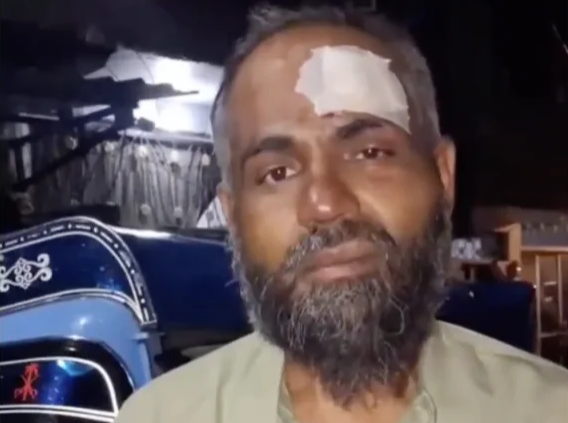
Muslim teacher shot dead over “love jihad” claim; driver forced to chant “Jai Sri Ram”
In Uttar Pradesh’s Bijnor, 43-year-old government primary school teacher Naushad Ahmed was shot dead near his school by a farmer, Gaurav Chaudhary, who surrendered to police and claimed he killed Ahmed because the teacher was promoting “love jihad.” In Bhopal, a Muslim auto-rickshaw driver was abused, assaulted and forced to chant “Jai Shri Ram.”

Bulldozers reach Lakshadweep as court calls Assam demolitions of Muslim homes unlawful
In Lakshadweep’s Agatti island, officials demolished around four under-construction buildings before the owners’ seven-day deadline to respond, and detained local political leaders who protested what they called an attempt to bring “bulldozer raj” to the Muslim-majority islands. In Assam, the Gauhati High Court found that the Goalpara administration’s demolition of the homes of 73 Bengali Muslim families, built on their own agricultural, was unauthorised.
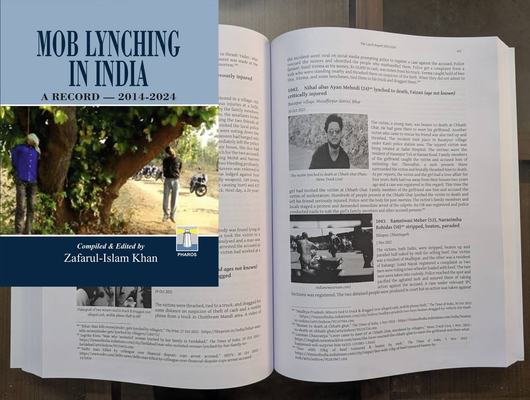
Decade-long record shows lynchings have spread across India
A new report, Mob Lynching in India: A Record 2014–2024, compiled by former Delhi Minorities Commission chairman Zafarul-Islam Khan, documents 53 lynchings on suspicion of beef possession or cow slaughter, 89 over religious identity, and 571 arising from road rage and brawls that escalated into violence. It finds that lynching, once absent from West Bengal, Goa and the Northeast, has now spread to nearly every part of the country.
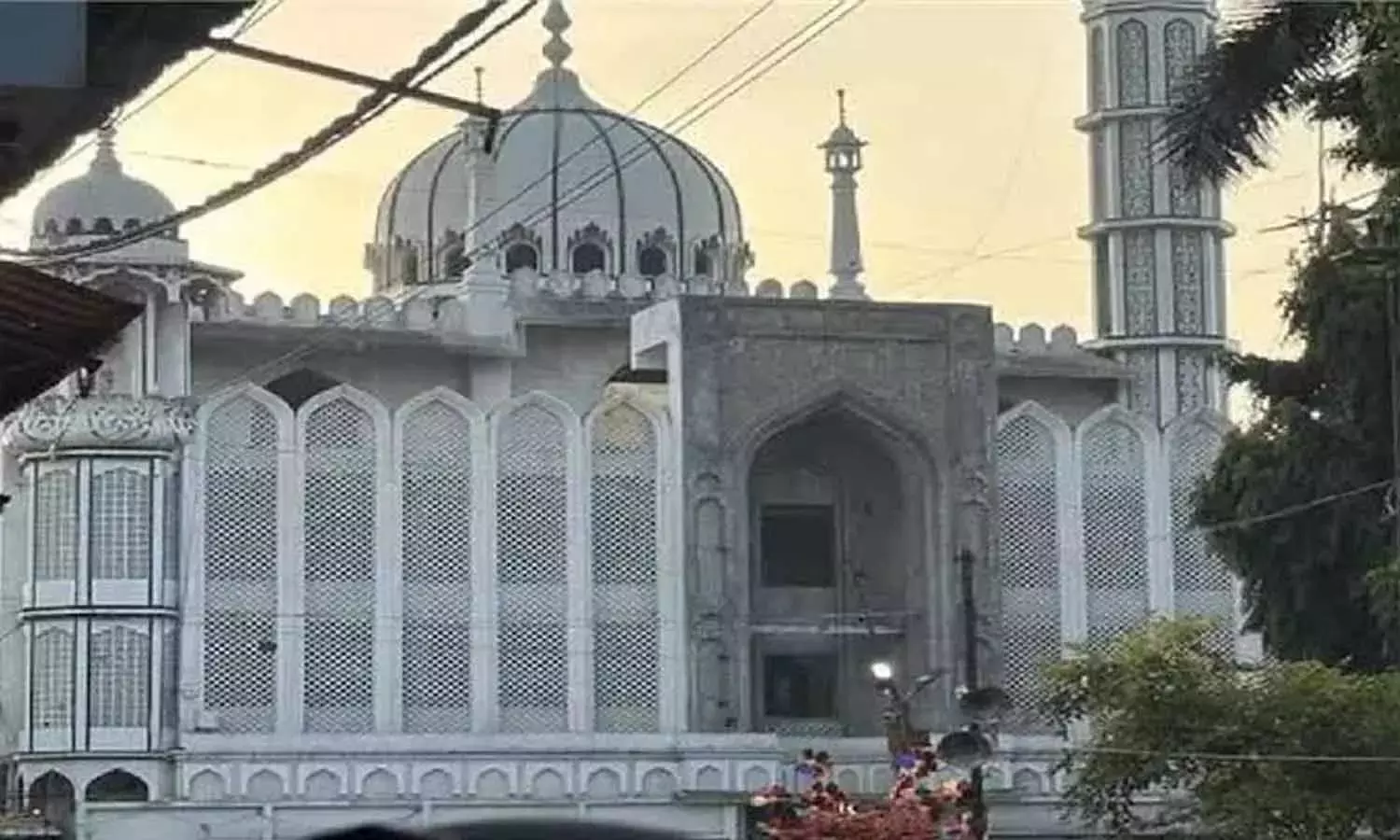
Court clears partial demolition of century-old Ujjain mosque; Moradabad mosque served notice
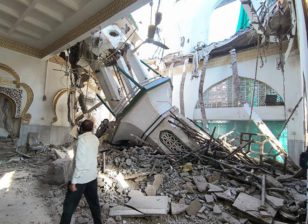
The Madhya Pradesh High Court dismissed petitions against the demolition of part of Ujjain’s century-old Shahi Mosque, including a portion of its prayer hall and a 120-foot minaret, to build a 15-metre road ahead of the 2028 Simhastha Kumbh. In Uttar Pradesh, officials issued a notice to the decades-old Mustafa Mosque demanding documents on its building map approval and land status following a complaint.
Hate crimes and discrimination in India
This week, the BJP-led West Bengal government ordered the closure of 252 madrasas and issued notices to 100 more. In Uttarakhand, 179 of the 452 madrasas registered under the now-abolished Madrasa Board have shut, and only 30 have been recognised by the state Education Department. In West Bengal, IPS officer Bushra Bano was transferred from her post as a day after right-wing accounts targeted her for saying “Assalamu Alaikum,” “InshaAllah” and “JazakAllah” in a video about her civil services journey. In Jammu, more than 500 Rohingya families began dismantling their homes and shops after authorities served notices on the landowners renting plots to them. In Lucknow, journalist Divya Srivastava faced online threats and abuse after pressing Uttar Pradesh Chief Minister Yogi Adityanath to take questions at a press conference. In Ghaziabad, a mob led by a relative of a local BJP leader repeatedly stormed a Muslim-owned free skill-training centre for women.
Resistance & Organizing

Mahua Moitra writes to UN over exclusion of Muslim officers from Amit Shah’s events
Opposition lawmaker Mahua Moitra wrote to the UN Special Rapporteur on Minority Issues, Nicolas Levrat, saying that senior Muslim IAS and IPS officers in West Bengal were excluded from official events during Union Home Minister Amit Shah’s visits to the state. She named Siliguri Police Commissioner Waquar Raza, Special Task Force chief Jawed Shamim and IAS officer Khalil Ahmed as the officers affected.
Courts deliver relief in conversion, UAPA and preventive detention cases
The Allahabad High Court freed 31-year-old Ayush Malik from his Hindu family’s custody after finding he had voluntarily embraced Islam. The same court granted bail to Mubarak Ali, jailed since March 2024 over an alleged email criticising Yogi Adityanath. The Delhi High Court bailed Mohammad Saqib, held for nearly eight years under the UAPA, while a Bhopal court acquitted Saiyyad Khan, who was assaulted by lawyers and arrested under Madhya Pradesh’s anti-conversion law when he came to court to marry his partner. The Jammu and Kashmir High Court also quashed the Public Safety Act detention of Kupwara research scholar Shafat Maqbool Wani, ruling that possessing books with “dispiriting titles” does not make him a criminal.
Voices from the ground
“Umar Khalid has been behind bars for more than six years and the trial has not even started. What about his right to liberty? What about his right to speedy trial? The Supreme Court, in a later decision, has itself questioned the validity of the judgment in Umar Khalid’s case… The process has become the punishment. People are condemned and their lives ruined by labelling them as anti-nationals. Unfortunately, the courts do not protect the fundamental rights of these citizens.”
- Justice Deepak Gupta, former Supreme Court judge