IAMC Weekly India Human Rights Monitor (April 17, 2026)
This Week at a Glance
This week, India’s proposed 33 percent reservation for women in parliament drew sharp opposition criticism over concerns it could enable gerrymandering in favour of the ruling Bharatiya Janata Party, while the Supreme Court of India barred nearly two million excluded voters in West Bengal from voting if their appeals remain pending. The government also faced scrutiny after spending public funds on advertisements celebrating 100 years of the Rashtriya Swayamsevak Sangh despite global calls for sanctions, even as the Allahabad High Court flagged misuse of anti-conversion laws. On the ground, a series of incidents, from trident distribution drives by the Hindu militant groups in Delhi, to the booking of Muslim officials in Indore, eviction drives in Jammu, an assault in Dehradun, a mosque shutdown in Shillong, and a wrongful arrest in Kushinagar, highlighted continuing patterns of discrimination and rights violations.
Top Stories
(AP Photo)
India’s Women’s Quota Plan Raises Concerns Over Fair Representation and Minority Rights
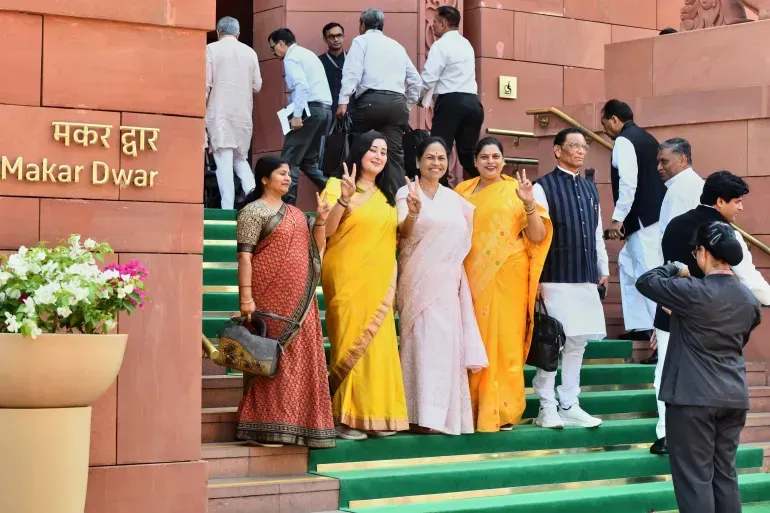
India’s plan to implement a 33 percent reservation for women in parliament has triggered sharp criticism from opposition leaders who accuse Prime Minister Narendra Modi’s ruling Bharatiya Janata Party of using the reform to justify a controversial delimitation exercise. They argue that redrawing constituencies could enable gerrymandering, disproportionately benefiting the BJP’s northern strongholds while weakening representation for minorities and southern states.
Supreme court bars voting for those with pending appeals in voter roll purge
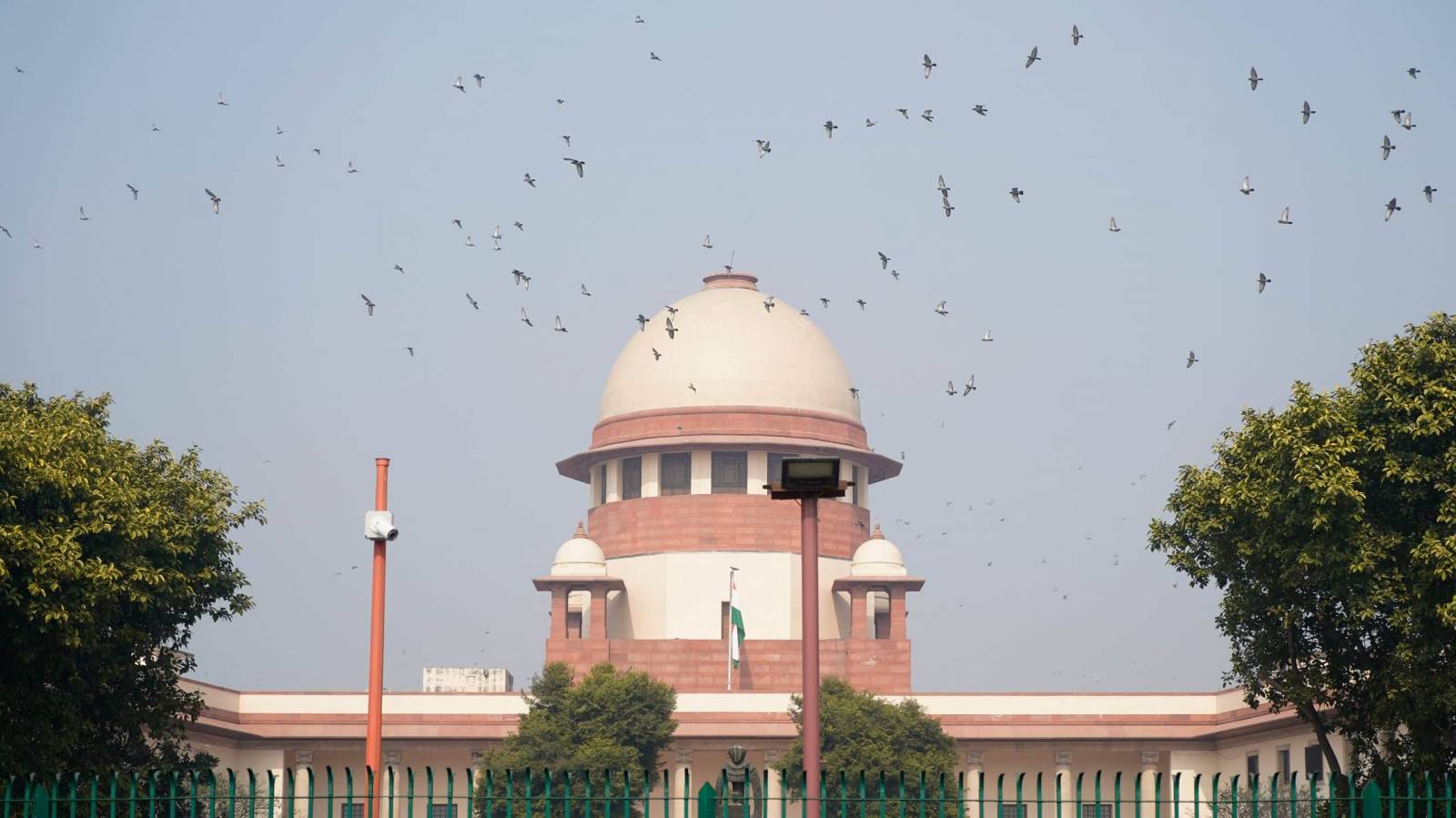
In a major setback for nearly 2 Million disenfranchised voters in West Bengal, the Supreme Court of India has ruled that individuals excluded during the Special Intensive Revision (SIR) will not be allowed to vote if their appeals are still pending, even as it directed the Election Commission of India to add back only those whose appeals are accepted.
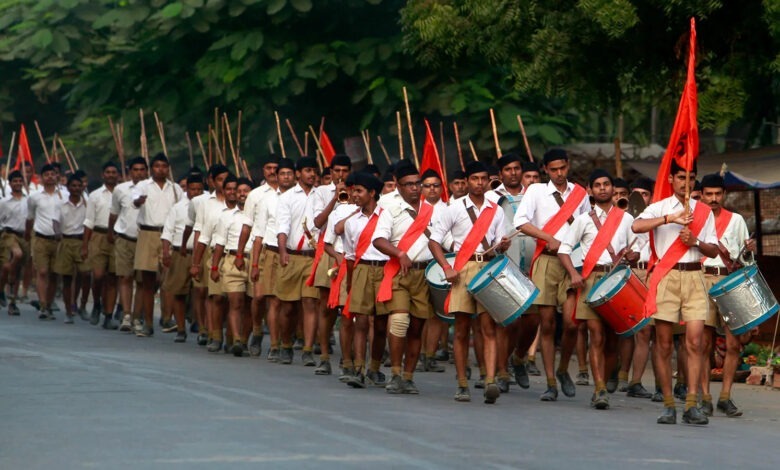
India spent public funds on RSS centenary amid global calls for sanctions
India’s Ministry of Culture spent over $80,000 on advertisements marking 100 years of the Hindu paramilitary organization, Rashtriya Swayamsevak Sangh, even as the group faces international scrutiny. The United States Commission on International Religious Freedom recently recommended targeted sanctions against the RSS, including asset freezes and travel bans, citing its role in systematic violations of religious freedom and rising anti-minority violence in India.
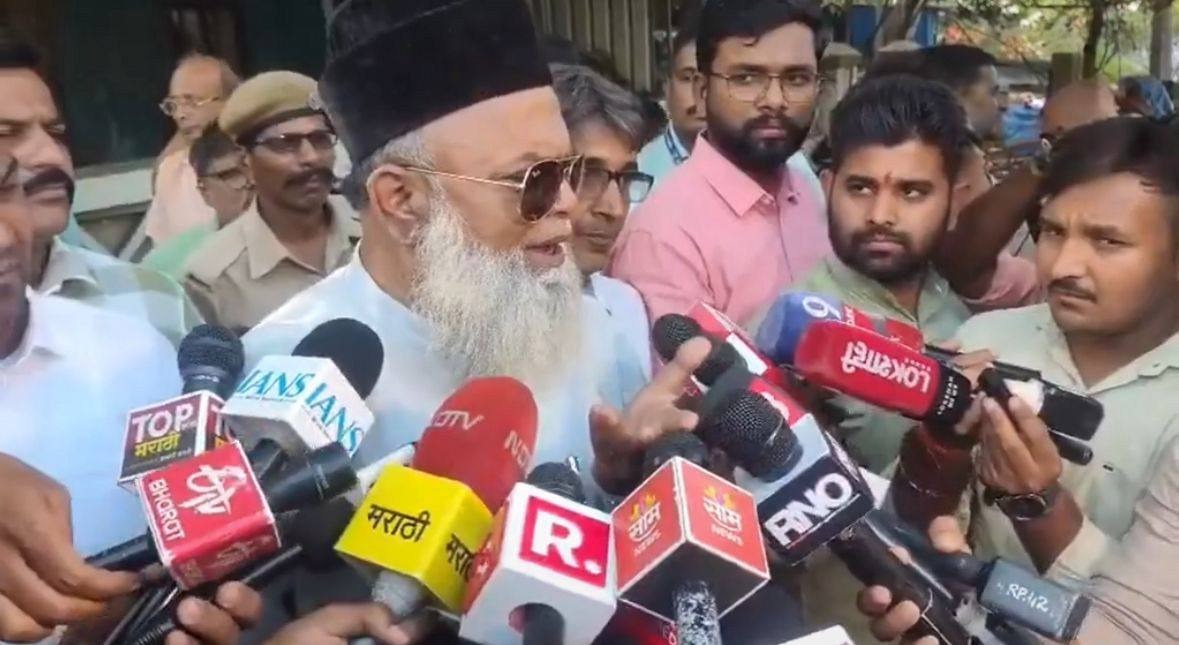
Court flags misuse of anti-conversion law as new case sparks conspiracy claims
The Allahabad High Court has warned of a “disturbing trend” of third parties filing false complaints under Uttar Pradesh’s anti-conversion law, highlighting growing concerns over its misuse against Muslim men. The observation comes as a separate case in Nashik involving corporate employees has escalated, with families alleging the investigation is “scripted” and influenced by the Hindu militant group, Bajrang Dal.
Hate crimes and discrimination in India
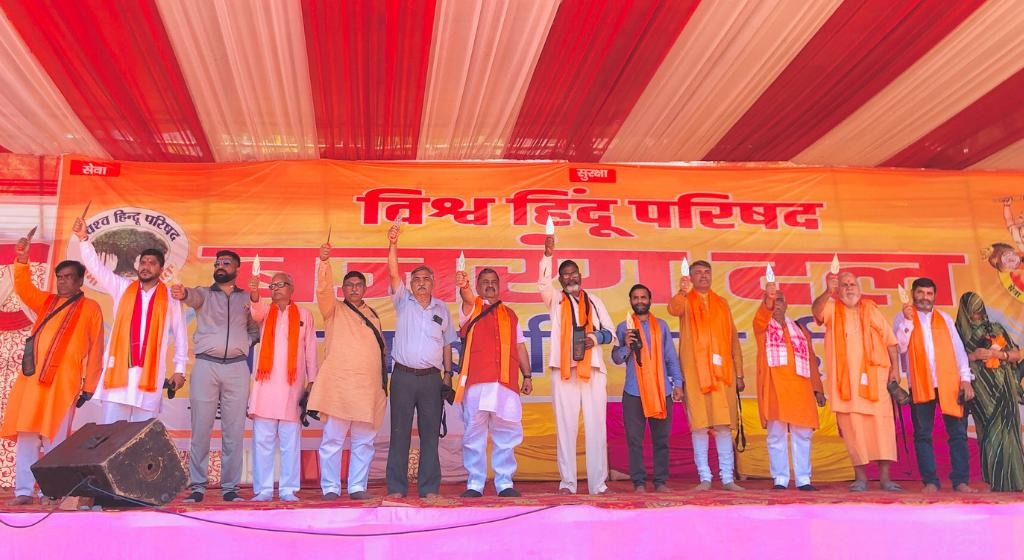
This week, in Delhi, Hindu militants from the Vishva Hindu Parishad to Bajrang Dal organized a mass distribution of tridents, with plans to expand the programme citywide. In Indore, two Muslim government officials were booked for refusing to sing “Vande Mataram”. In Jammu, eviction drives targeted street vendors, and a Muslim youth was assaulted in Dehradun by a Hindu extremist leader. In Shillong, a mosque was shut down by members of the Khasi Students’ Union over alleged permit issues, while in Kushinagar, a Muslim school headmaster was wrongly arrested in a rape case before police identified another suspect.
Resistance & Organizing
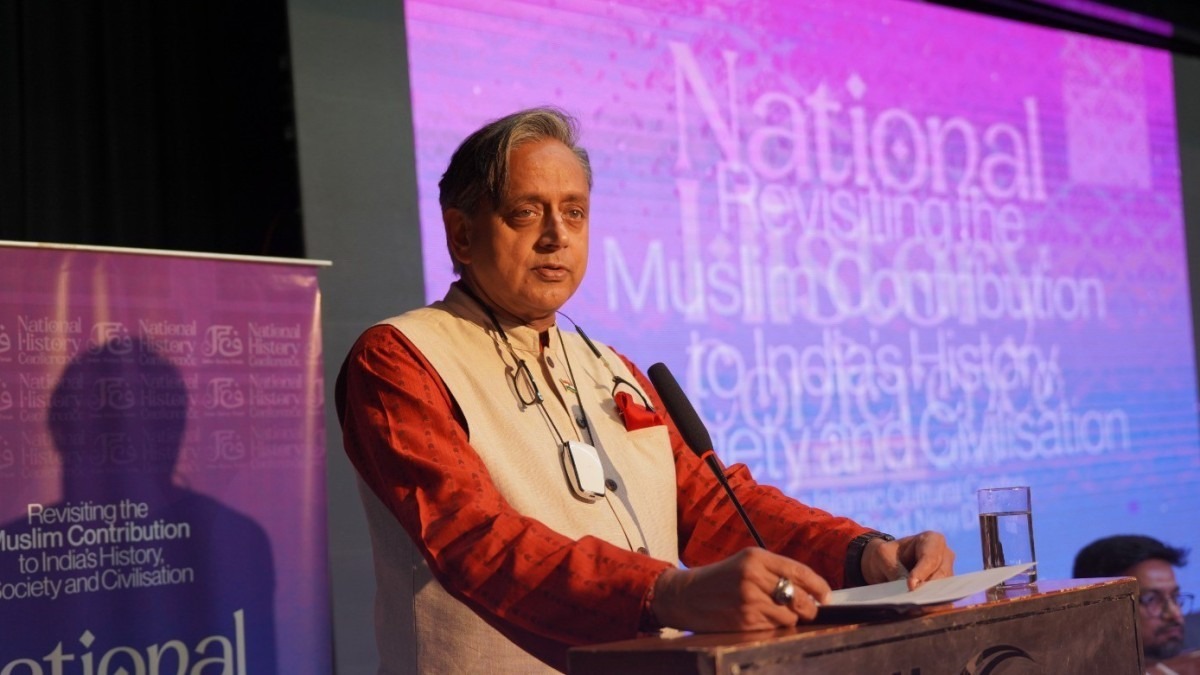
Lawmakers, scholars call for inclusive retelling of India’s shared history
Lawmakers and historians at a recent seminar organised by the Indian History Forum have called for a more balanced and inclusive account of India’s past, pushing back against what they describe as the erasure of Muslim contributions from mainstream narratives.
Defenders of the Week
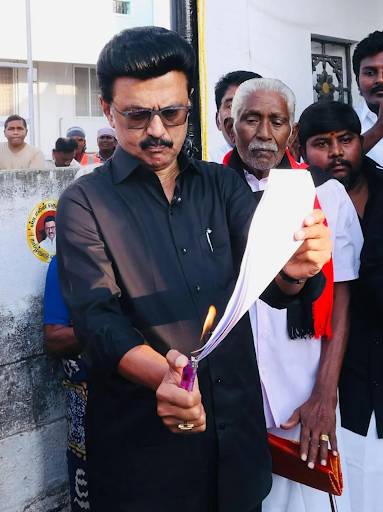
This week, we’re featuring Tamil Nadu Chief Minister M. K. Stalin, a senior leader of the Dravida Munnetra Kazhagam, who is continuing the Dravidian movement’s legacy of resisting centralisation and majoritarian politics. In recent days, he has sharpened that stance by firmly opposing the Centre’s proposed delimitation exercise, warning that it could undermine fair representation and disproportionately impact southern states.
Voices from the Ground
“The South has already become a colony of the North …and the new bill will make it an official colony .. The so called decolonisation that’s being advocated ends up in real colonisation.. Country’s unity can be preserved upholding three prerequisites- democracy, secularism and federalism. Every step of Modi Government runs contrary to this principle…”
– CPI(M) Rajya Sabha MP John Brittas on Delimitation Bill and Constitution Amendment Bill
IAMC in Action
- Who were the iconic queens Razia Sultan and Nur Jahan, and what can we learn from their stories? Journalist and author Tom Verde joins us on our latest episode of Beyond the Taj to talk about the palace intrigue, political rebellion, and powerful legacies of these iconic Muslim queens, drawing on the stories found in his recently published book Queens of Islam. Watch or stream this episode now on YouTube, Apple, and Spotify.
- Alhamdulillah, IAMC is proud to announce that our Associate Media Director, Safa Ahmed, has authored Yaqeen Institute’s first-ever paper on Hindutva and its impact on Muslims both in India and beyond, covering all of these topics and more. Titled “Hindutva and Anti-Muslim Violence: How to Navigate Hindu Supremacy,” the paper raises awareness of this growing threat and equips Muslims with the knowledge needed to inspire meaningful, faith-driven action in response.
What to Watch Next Week
- Our upcoming episode of Beyond the Taj will feature a conversation with activist Safoora Zargar, who will be joining us to share the stories and struggles of Indian Muslim political prisoners.