IAMC Weekly India Human Rights Monitor (August 6, 2026)
This Week at a Glance
This week, nearly half of Bengaluru’s registered voters were flagged for potential exclusion under Karnataka’s Special Intensive Revision of electoral rolls, raising fears of mass disenfranchisement. A 78-year-old Muslim man was acquitted after spending 33 years facing sedition charges stemming from the aftermath of the Babri Masjid demolition. A US Congressman warned that India’s proposed FCRA amendments amount to an attack on Christians and could strain bilateral ties. Government data revealed that Muslims have consistently filed the highest number of complaints with the National Commission for Minorities since 2021. Meanwhile, jailed Kerala activist Rejaz Sydeek alleged degrading strip searches in Nagpur prison, and a range of incidents from cemetery demolitions to police harassment of student protesters continued to underscore the targeting of minorities and civil liberties across the country.
Top Stories
US Congressman warns FCRA amendment is an attack on Christians, could strain India-US ties
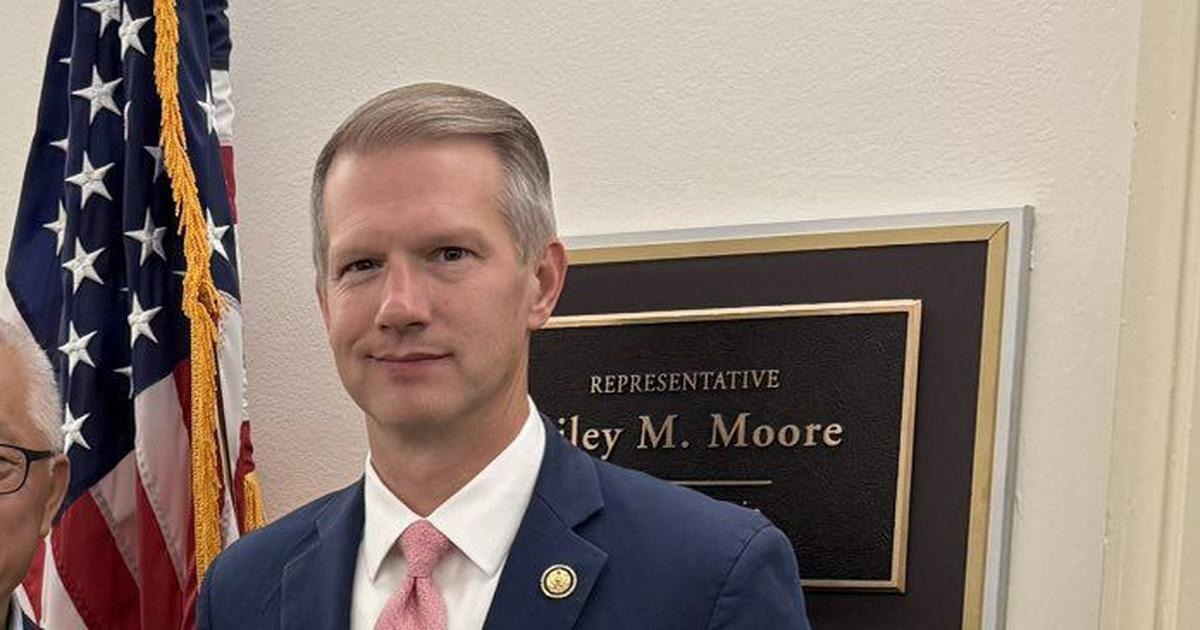
US Congressman Riley Moore has warned that the proposed Foreign Contribution (Regulation) Amendment Bill, 2026, which seeks to empower the government to take over assets of organisations that lose their FCRA registration, amounts to a direct attack on Christians in India. Moore said that if the bill proceeds, it would be a major concern in the US-India bilateral relationship. The legislation has drawn criticism from the Catholic Bishops’ Conference of India and several Christian organisations.
Nearly half of Bengaluru voters flagged for exclusion under Karnataka’s electoral roll revision
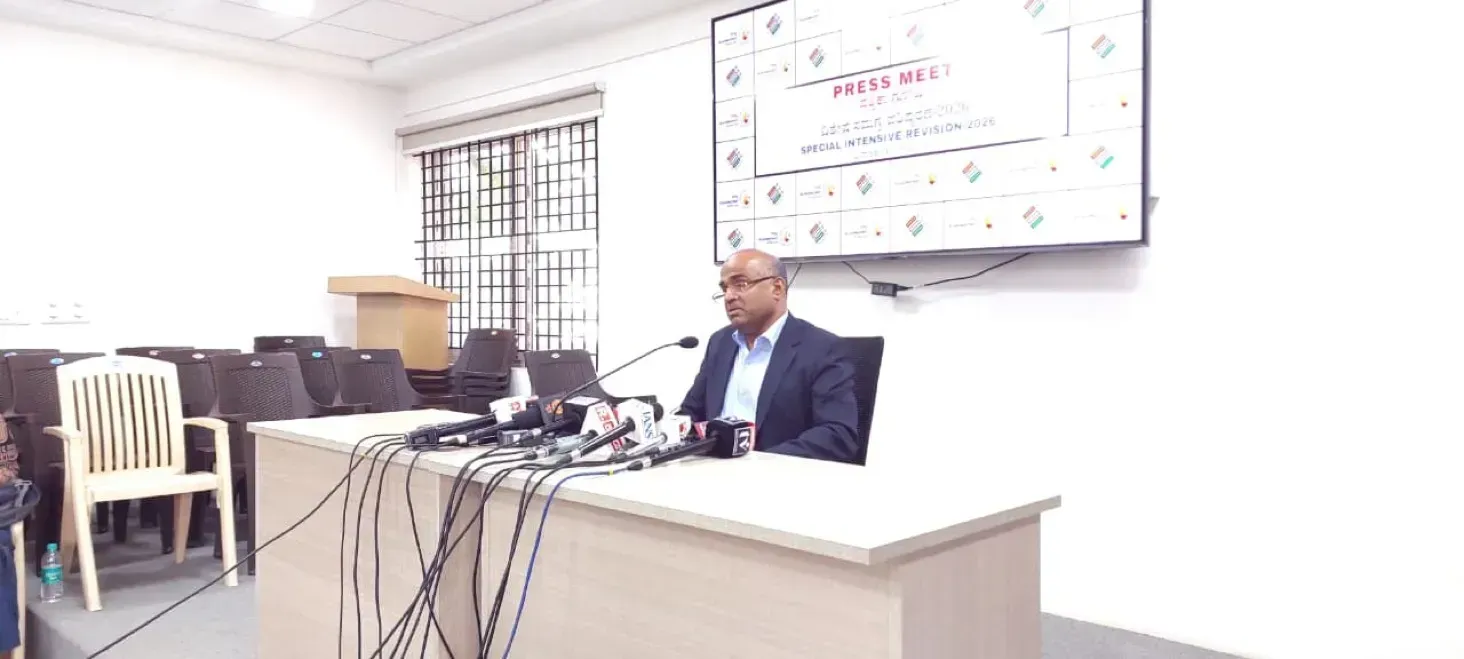
Nearly half of Bengaluru’s 10.3 million registered voters have been marked for potential exclusion from the draft electoral roll under Karnataka’s ongoing Special Intensive Revision (SIR), amid rising concerns of voter disenfranchisement. Statewide, over 11.1 million voters, roughly one-fifth of the electorate, have been classified under categories including absent, shifted, dead, or duplicate.
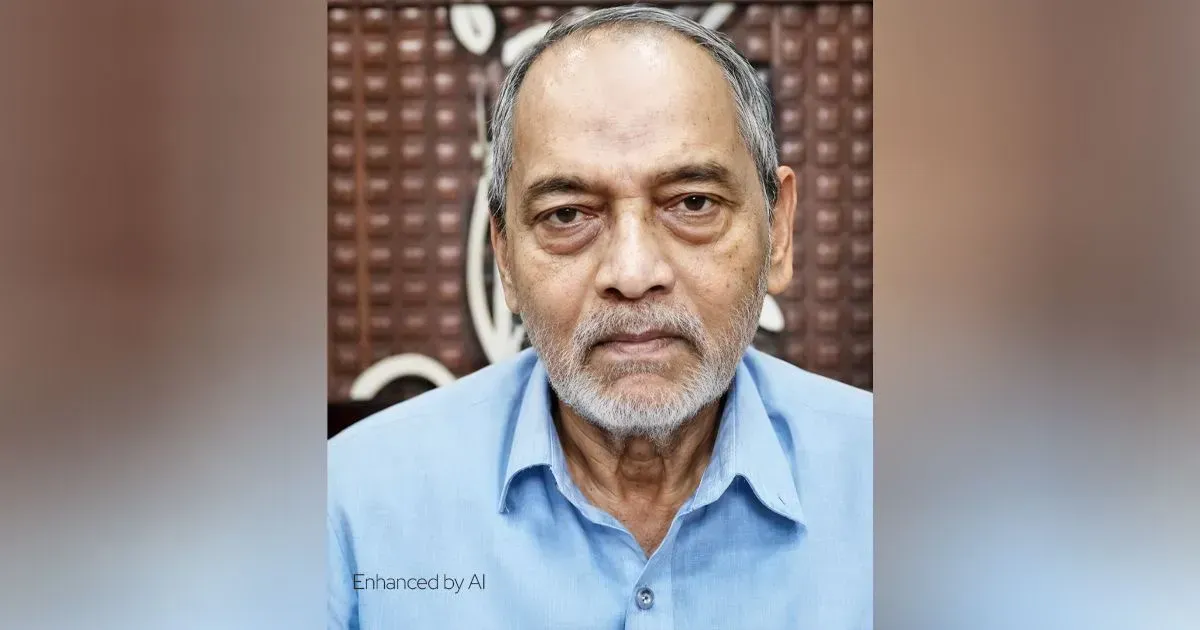
78-year-old Muslim man acquitted after 33 years in Babri-era sedition case
A Special NIA Court in Lucknow has acquitted 78-year-old Mohammed Naeem of all charges in a sedition case dating back to January 1993, registered in the aftermath of the Babri Masjid demolition. The court found that the prosecution had failed to prove the essential ingredients of offences or establish the allegations beyond reasonable doubt. The acquittal closes a prosecution that lasted approximately 33 years, leaving Naeem to face proceedings from the age of 45 until 78.

Muslims lodged highest number of complaints with National Commission for Minorities since 2021
Government data tabled in Parliament has revealed that Muslims have consistently filed the highest number of complaints with the National Commission for Minorities (NCM) every year since 2021. The figures show Muslims accounting for the majority of petitions annually, with Uttar Pradesh consistently recording the highest number of state-level complaints, followed by Delhi and Maharashtra.
(PTI)
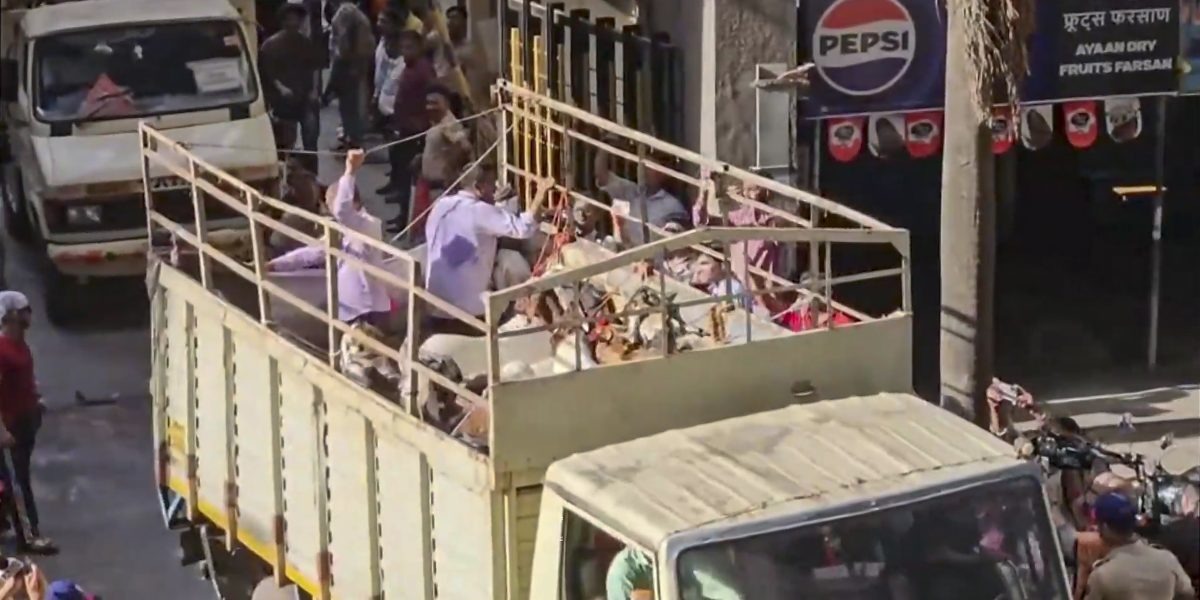
Fact-finding report details how VHP involvement escalated Mumbai’s Eid tensions
A fact-finding report by the Centre for Study of Society and Secularism has documented how a longstanding dispute over temporary goat enclosures at a Mumbai housing complex ahead of Eid al-Adha was escalated by Hindu militants from the Vishwa Hindu Parishad and Bajrang Dal, from outside the society, who brought a pig into the premises as a provocative act. The report found that the episode significantly damaged communal relations within a historically cosmopolitan residential community.
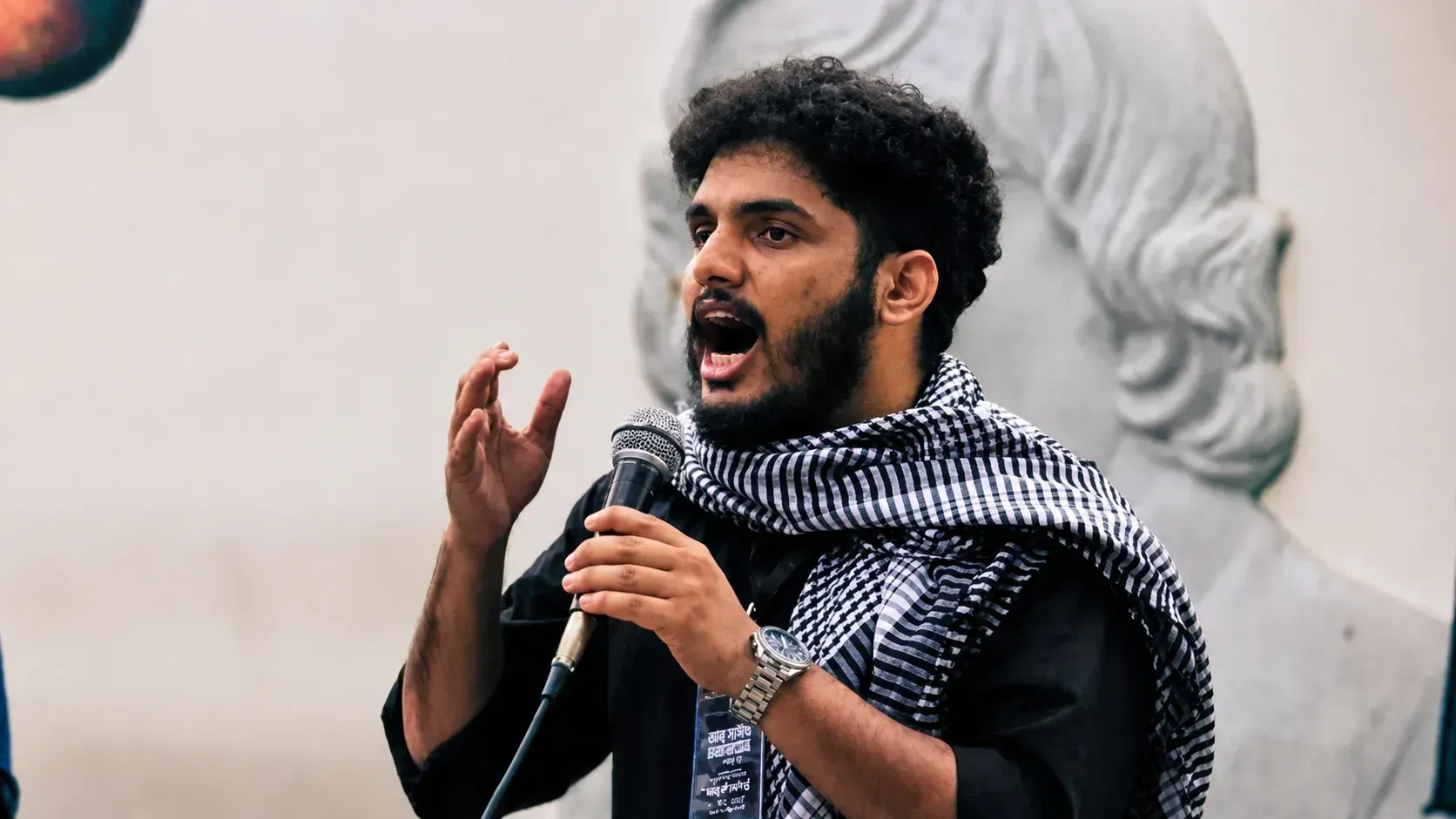
Jailed Kerala activist alleges degrading strip searches in Nagpur prison
Jailed Kerala activist and journalist Rejaz Sydeek has accused Nagpur Central Prison of subjecting him to repeated strip searches despite multiple prior frisking and constant police surveillance, calling the practice inhumane and unconstitutional. Sydeek, arrested under UAPA for social media posts critical of the government, described being forced to fully undress before a jail constable after every court appearance.
Hate crimes and discrimination in India
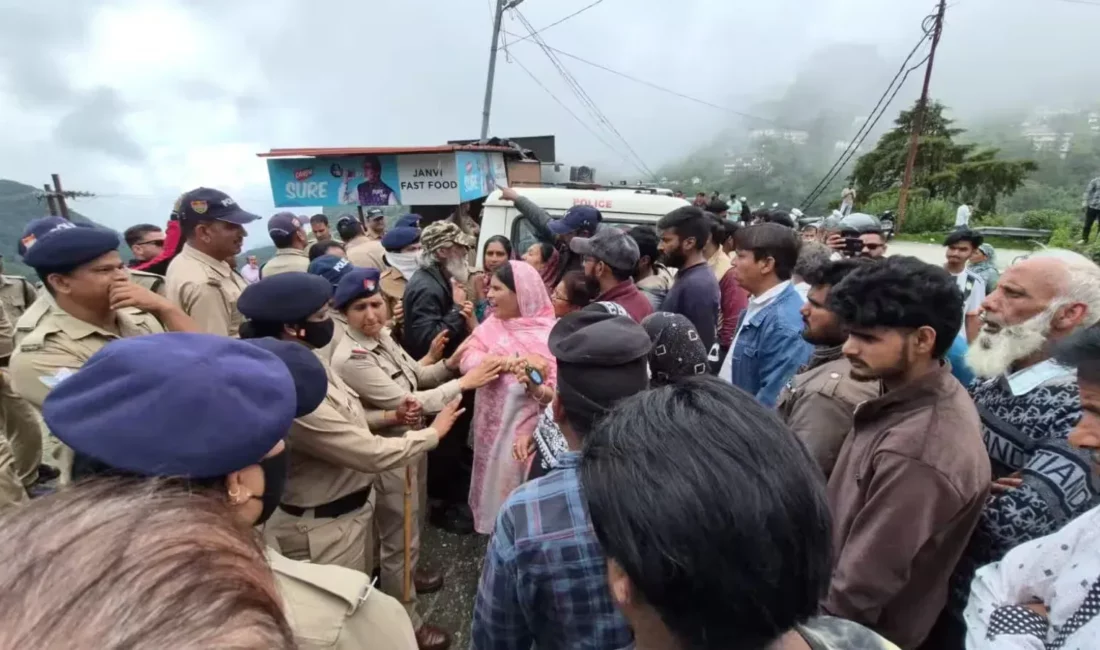
This week, JNUSU leader Danish Ali alleged that Madhya Pradesh Police visited her family home and questioned relatives about her whereabouts despite no criminal case being filed against her, saying she was singled out for her Muslim identity in connection with the student-led NEET protests. In Mussoorie, authorities demolished a prayer structure at a nearly 200-year-old Muslim cemetery, triggering protests that blocked the Mussoorie-Dehradun highway. In West Bengal, mosque committees accused police of pressuring them to remove loudspeakers without any written order. In Bareilly, the historic Urs-e-Ala Hazrat was rescheduled and ordered to serve only vegetarian food due to the Kanwar Yatra. A Lucknow NIA court flagged the illegal arrest of three Muslim men accused of human trafficking within a minute of the FIR being filed and granted them bail. In Mumbai, the Bombay High Court halted the demolition of a school after it was triggered by a BJP leader’s “school jihad” claim. In West Bengal, a court ordered a Muslim man to clean a Hindu temple as a bail condition after he was arrested for climbing a a Hindu ceremonial chariotn in shoes for a social media reel.
Resistance & Organizing
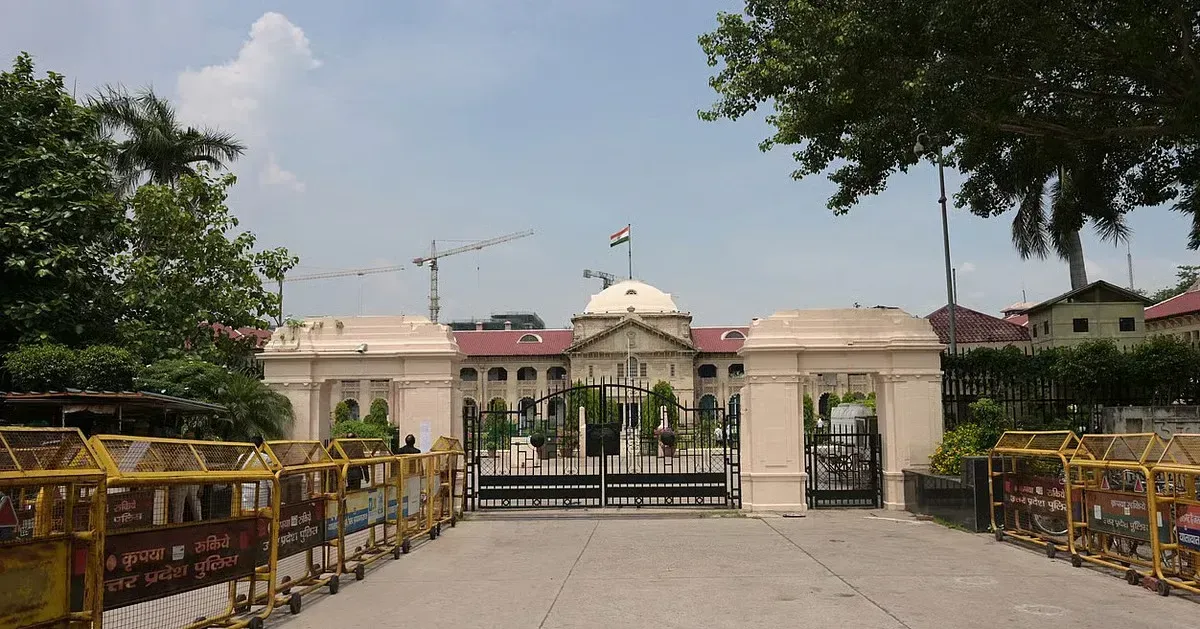
Allahabad HC orders release of two women illegally confined by father after converting to Islam
The Allahabad High Court has ordered the immediate release of two women who were illegally confined by their father for nearly five years after they renounced Hinduism and embraced Islam. The court directed the parents and the Uttar Pradesh government to pay $26,000 each in compensation, observing that no one, including a father, has the right to interfere with the women’s voluntary decision to convert.
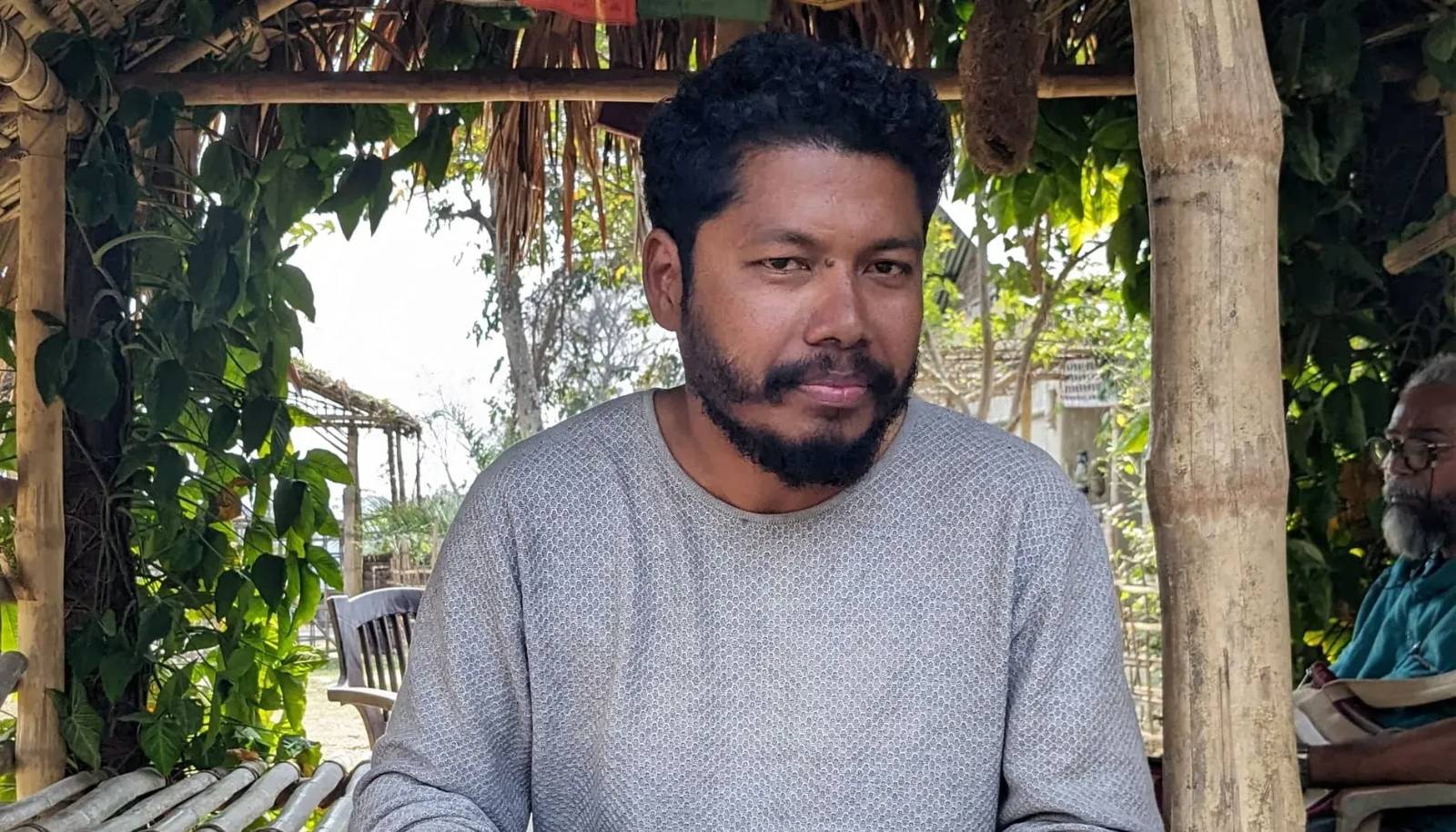
Over 60 groups condemn Assam government’s use of NSA against land rights activist
More than 60 organisations, including people’s movements, trade unions, and civil rights groups, have condemned the Assam government’s invocation of the National Security Act (NSA) against Pranab Doley, an indigenous rights activist who had been protesting a proposed Hyatt luxury resort near Kaziranga National Park.
AIMPLB opposes bill making disrespect to Vande Mataram a punishable offence
The All India Muslim Personal Law Board (AIMPLB) has opposed the passage of the Prevention of Insults to National Honour (Amendment) Bill, 2026, which makes alleged disrespect to Vande Mataram a punishable offence. The Board said using legislation to compel citizens to participate in a particular religious concept is inconsistent with the spirit of the Constitution and amounts to imposing a particular religious belief through state coercion.
Defender of the Week
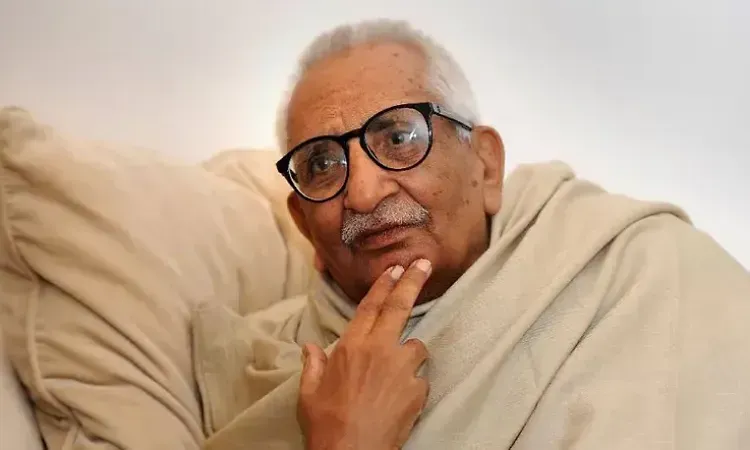
This week, we remember Justice (retired) Manmohan Singh Liberhan, the veteran jurist who headed the one-man commission of inquiry into the 1992 Babri Masjid demolition, and who passed away at the age of 87. His 1,029-page report, submitted in 2009 after 17 years of work, concluded that the demolition was a meticulously planned act of civil conspiracy by Sangh Parivar leaders, directly contradicting the narrative that it was a spontaneous act by “karsevaks.” The commission blamed the RSS for financing and executing the demolition and indicted senior BJP leaders, including L.K. Advani, A.B. Vajpayee, and M.M. Joshi. Although a CBI special court in 2020 acquitted all 32 accused in the criminal case, Justice Liberhan stood by his findings to the end. His report remains one of the most comprehensive official records of the events surrounding the Babri Masjid demolition and its political architecture.
Voices from the Ground
“In BJP-ruled states, bulldozer actions have consistently targeted the Muslim community, including religious sites, educational institutions, and even people’s homes.
This is a grave affront to the rule of law and the Constitution. The BJP government must answer to everyone whose homes were demolished. They deserve adequate compensation, and those responsible for ordering and carrying out these demolitions must be held accountable.”
— Jairam Ramesh MP, General Secretary, Indian National Congress
IAMC in Action
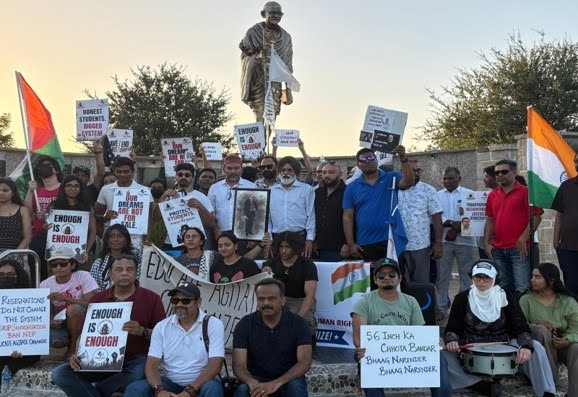
- IAMC hosted a Congressional Briefing titled “Eyewitness Accounts: India’s Crackdown on the Student Movement” on August 5, featuring panellists N. Sai Balaji (former president, JNU Students’ Union), Shabnam Hashmi (social activist), and Dr. Monami Basu (professor, Delhi University). Watch the recording here.
Snippets from the Briefing
“The infallible image of the government, the infallible image of the prime minister — that he is God, that he cannot be criticized — they were completely dismantling that narrative.”
– Dr. Monami Basu (professor, Delhi University)
“Before this, it looked to me as if we won’t be able to defeat this government. But now, if this continues and spreads to different parts of India, then it’ll definitely bring about a change. It has the potential of doing that.”
– Shabnam Hashmi (social activist)
“You don’t apologize for using pellet guns. You don’t apologize for using brute force on students. You don’t apologize for batons with nails, for barricades that had electric shock on them. You don’t apologize for police officers brutally assaulting women protesters… and you come and say ‘I forgive people.’ No, this is not done. You don’t have the right to forgive anyone.”
– N. Sai Balaji (former president, JNU Students’ Union)
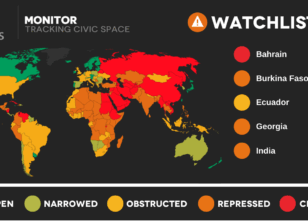
- IAMC warned of a deepening crackdown on civic freedoms after CIVICUS, the global civil society alliance, added India to its Monitor Watchlist, citing the continued use of UAPA against dissidents, FCRA restrictions on NGOs, and the use of excessive force against protesters. Read the statement here.