
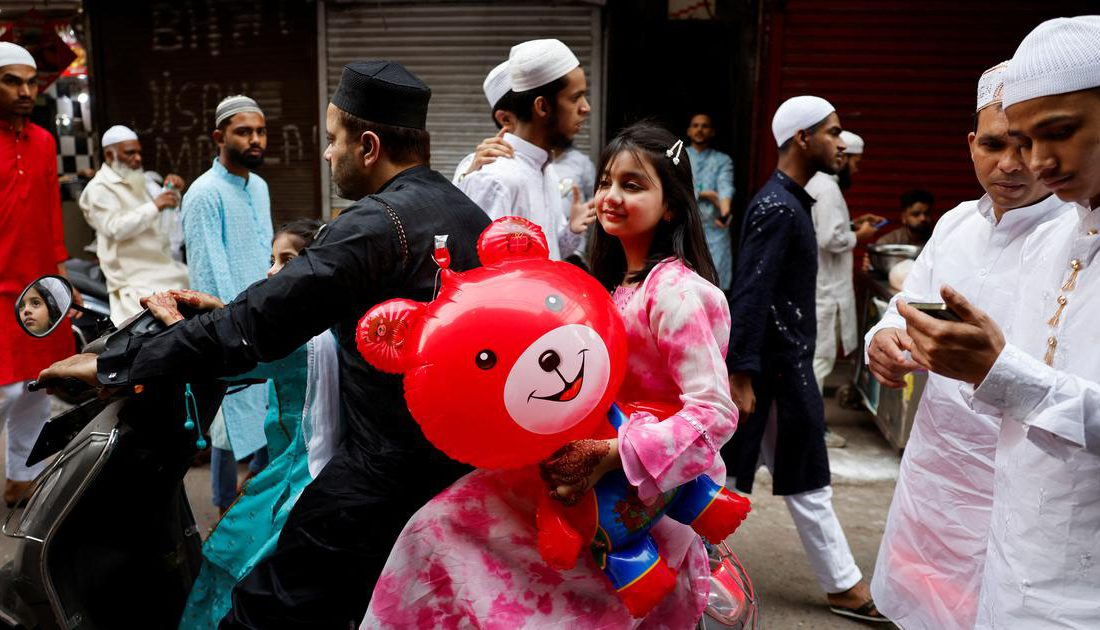
Silence as citizenship: The burden of being a ‘Good Muslim’ in India
Indian Muslim are expected to be compliant, even as they are denied the ordinary exercise of rights enjoyed by other citizens.
By Rasheed Ahmed
Indian Muslims are often told that their survival depends on being exceptional. Not exceptional in achievement or contribution, but exceptional in political quietude. Exceptional in studied moderation. Exceptional in silence. Exceptional in proving, again and again, that they are unlike Muslims elsewhere – less demanding, less visible and less assertive in their claims on the state.
This idea – it could be called Indian Muslim exceptionalism – has quietly shaped public discourse for decades. It once framed Indian Muslims as culturally refined but politically suspect; spiritually rich but civically conditional. With the rise of aggressive majoritarian politics, even this limited and conditional acceptance has begun to collapse.
What remains is the expectation of political compliance without the assurance of cultural tolerance or civic equality.
Rasheed Ahmed is the executive director of the Indian American Muslim Council.
Read More >>
Photo by Anushree Fadnavis, Reuters