IAMC Weekly India Human Rights Monitor (February 6, 2026)
This Week at a Glance
This week, Human Rights Watch slammed the BJP in its World Report 2026 for vilifying religious minorities, illegally deporting Bengali-speaking Muslims, and persecuting Rohingya refugees. In Uttarakhand, court data showed that all of the state’s fully tried anti-conversion cases ended in acquittals, while in Madhya Pradesh, ten Muslim families face a sustained social boycott following inflammatory anti-Muslim speeches. An officer in Uttar Pradesh claimed he was assaulted and pressured to delete Muslim voters during an electoral roll revision, while the state’s Anti-Terrorism Squad launched investigations into roughly 4,000 madrasas. Mumbai Police cancelled a public discussion featuring activist Anand Teltumbde, and Rajasthan officials ordered two British nationals to leave the country over pro-Palestinian posters.
Top Stories
(Meer Faisal)
Human Rights Watch Criticizes India over Anti-Minority Violence
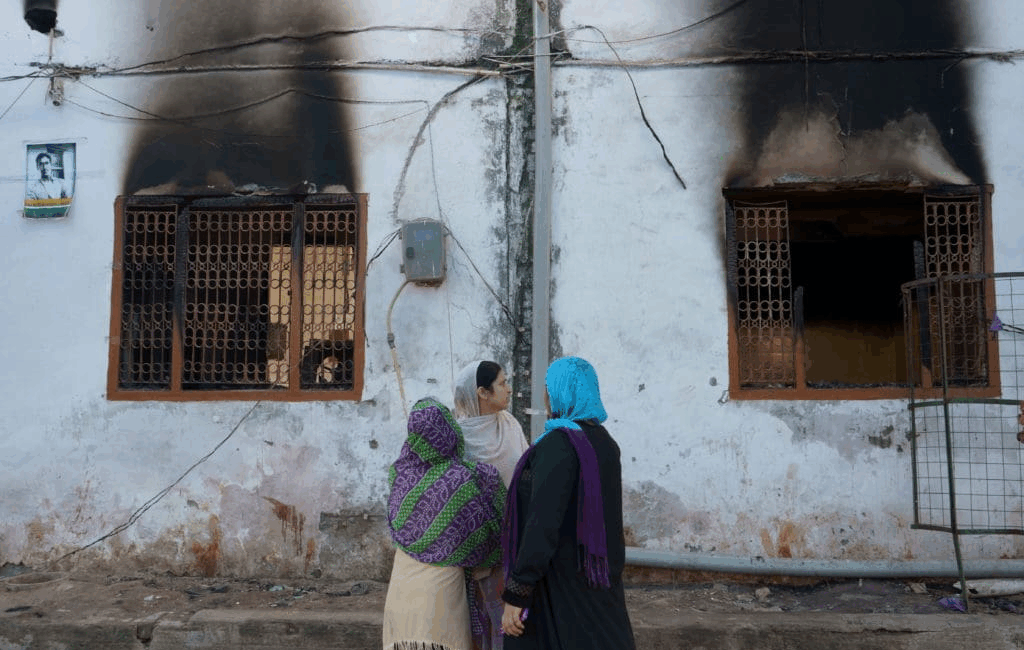
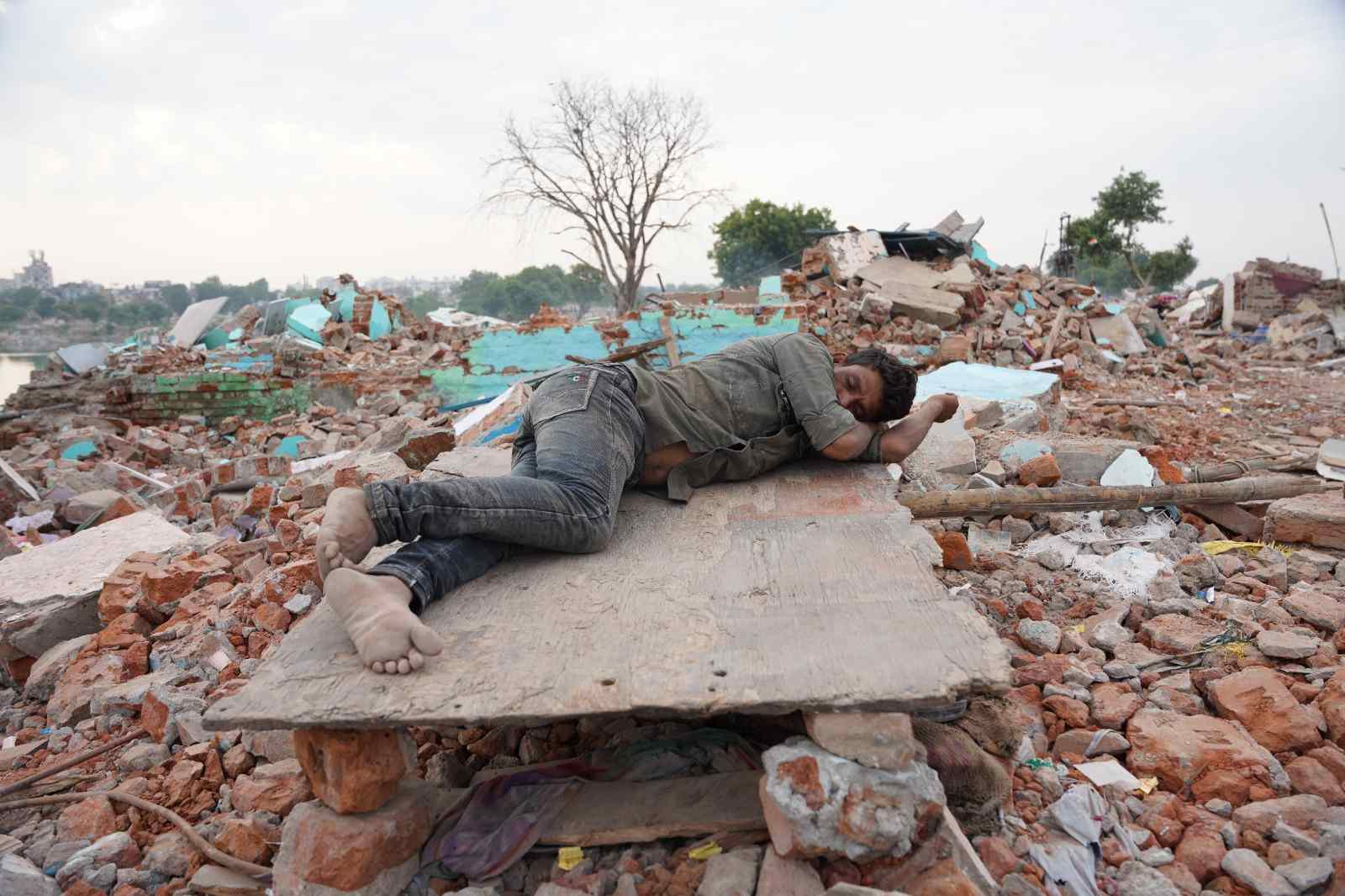
Human Rights Watch has sharply criticized India’s BJP-led government in its World Report 2026, saying India’s Hindu supremacist ruling party vilified religious minorities and unlawfully deported hundreds of Bengali-speaking Muslims and Rohingya refugees. The report also highlighted the Modi government’s crackdown on critics, resulting in pressure on the media to self-censor, saying these conditions have encouraged abuses by government officials and BJP supporters.
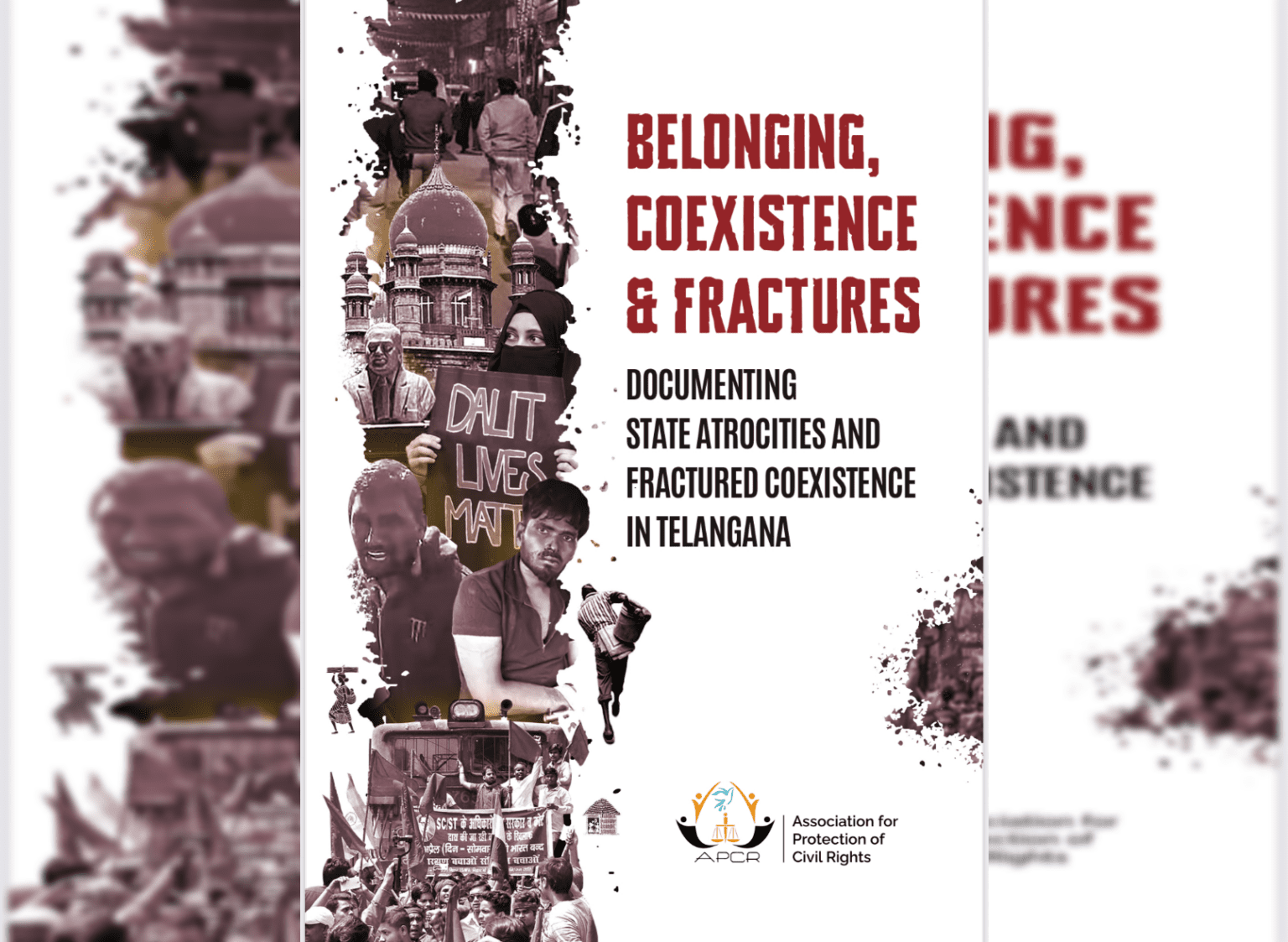
Report finds Adivasi, Muslim, and Dalit communities targeted through politically driven violence in Telangana
A fact-finding report released by the Association for Protection of Civil Rights (APCR) described recent communal tensions in Telangana as part of a pattern of politically driven polarization and administrative failure affecting Adivasi, Muslim, Dalit and other marginalized groups. According to the report, many flashpoints in Telangana began as local disputes over land, religious practice, noise, or interpersonal conflicts, but were subsequently escalated into communal confrontations through organised political mobilization and misinformation campaigns.
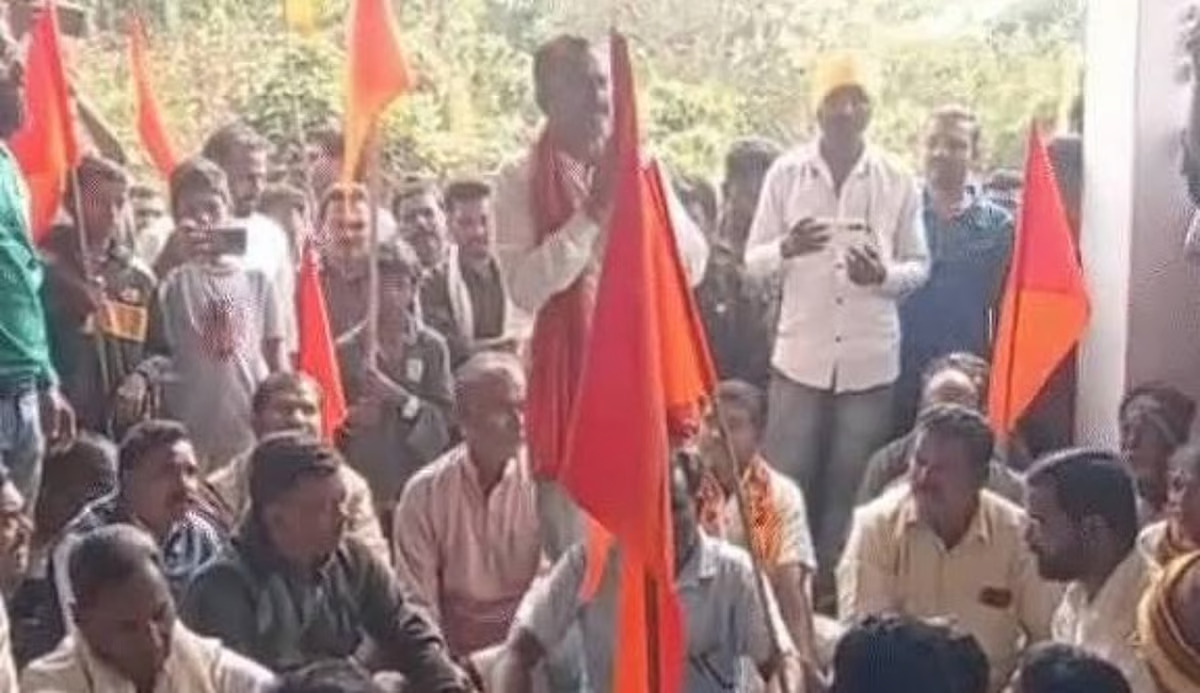
10 Muslim Families Face Social Boycott in Madhya Pradesh’s Balaghat
In Balaghat district, Madhya Pradesh, ten Muslim families are being boycotted by the wider village community. Villagers report that following inflammatory speeches against Muslims at a Hindu conference in January, the families were cut off from daily transactions, services, and work, in a microcosm of apartheid.
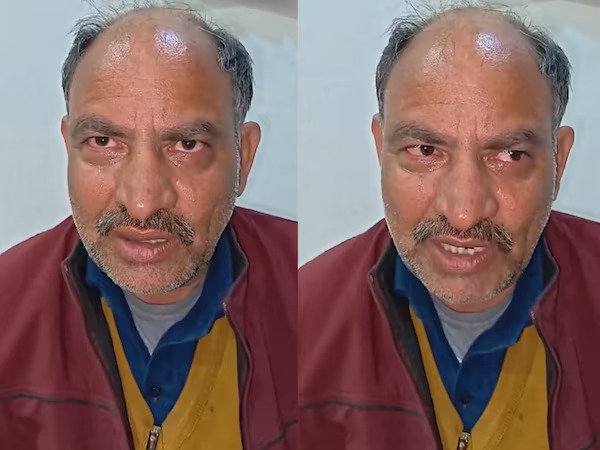
Election Officer Assaulted for Refusing to Remove Muslim Voters
In Etawah, Uttar Pradesh, a Booth Level Officer (BLO) has alleged that he was assaulted and threatened by a man claiming to be a BJP office-bearer, who pressured him to remove Muslim voters from the electoral rolls during the ongoing Special Intensive Revision (SIR) process. When he refused, the man allegedly grabbed his collar, beat him, and, along with others, snatched official documents from his bag and broke his mobile phone.
Hate crimes and discrimination in India
This week, Uttar Pradesh’s Anti-Terrorism Squad has launched investigations into roughly 4,000 madrasas, alarming Muslim educators who say religious schools are being treated as security threats without evidence. . Mumbai Police cancelled a discussion featuring activist Anand Teltumbde and ordered related social media posts removed, while Rajasthan officials have ordered two British nationals to leave the country for pasting pro-Palestinian posters, citing visa violations. Amid these developments, the Allahabad High Court ruled that no permission is required for prayer meetings inside private premises and separately rebuked Uttar Pradesh Police for the illegal practice of so-called “half encounters,” warning that staged shootings of accused persons cannot be justified under the rule of law.
Resistance & Organizing
Cases under Uttarakhand’s conversion law fall in court: 7 years, 5 full trials, all 5 acquittals
Nearly seven years after the BJP government in Uttarakhand enacted a law to curb “forced religious conversions”, court records show the statute may be falling short of a basic legal test: evidence. Even as arrests continue, judicial scrutiny has often undercut the state’s claim, with all five cases that have completed their trials ending in acquittals.
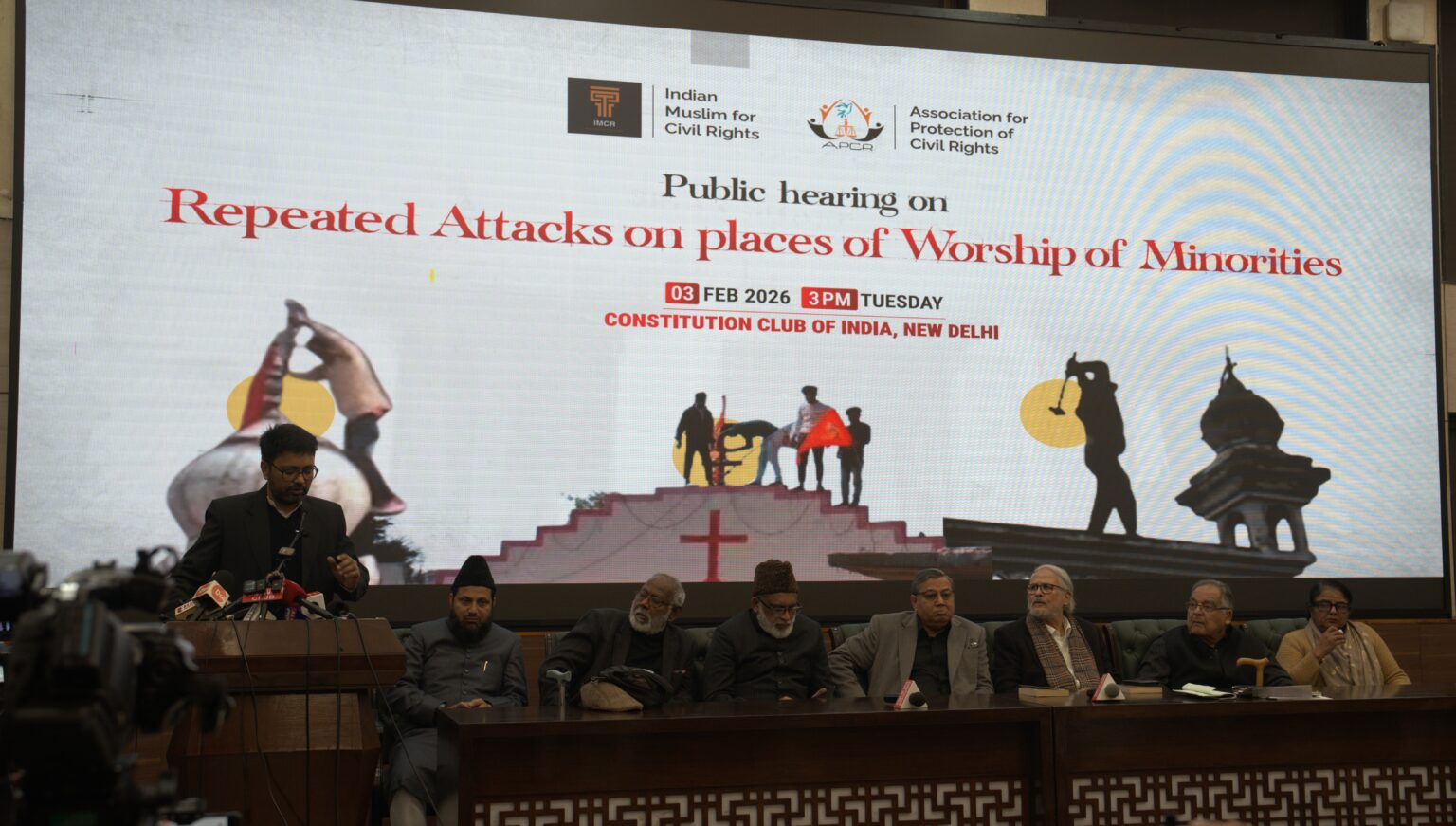
Public hearing raises alarm over repeated attacks on places of worship of minorities
A public hearing convened at the Constitution Club of India brought together legal experts, activists, and public figures to deliberate on the rising incidents of violence, vandalism, hate speech, and legal intimidation targeting places of worship belonging to minority communities across India. The event was organised by the Indian Muslims for Civil Rights (IMCR) in collaboration with the Association for Protection of Civil Rights (APCR).
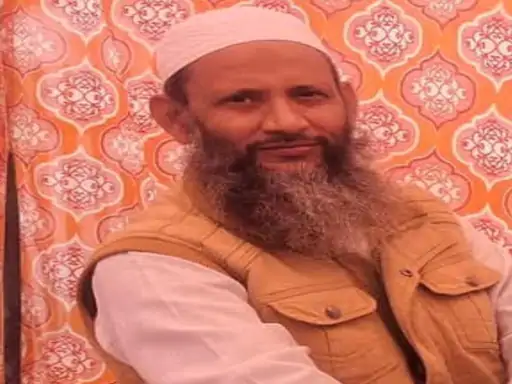
Suspended Muslim Headmaster Reinstated, No Evidence Found to back BJP Leader’s Claims
A Muslim headmaster of a government school in Mathura was suspended after a local BJP leader accused him of forcing Islamic practices on students, but the action was later revoked when no evidence was found to support the claims.The headmaster, Jan Mohammad, has been teaching at the school since 2007. Officials also confirmed that no Hindu student or parent supported the allegations made by the BJP leader.
Defenders of the Week
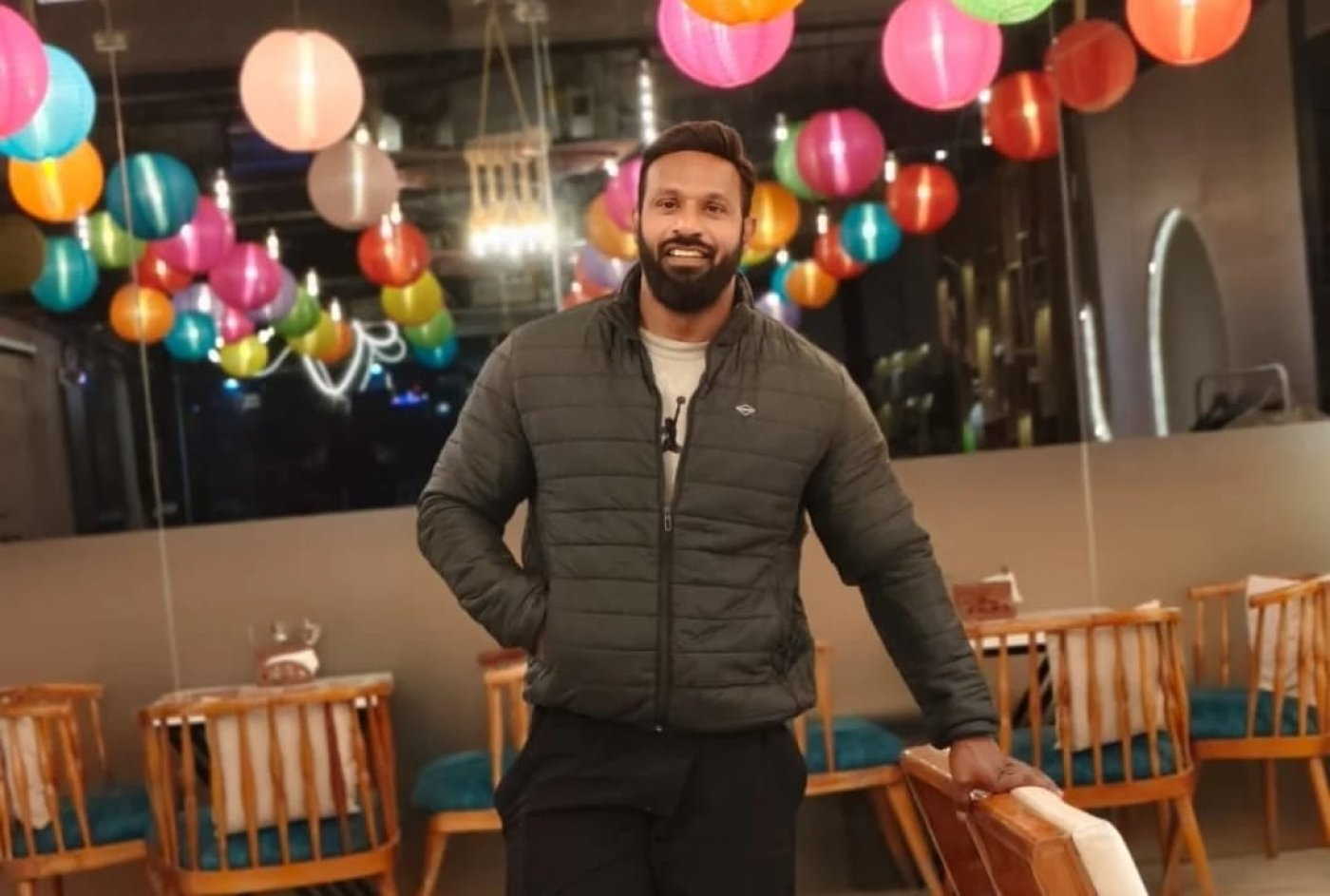
This week, we feature Deepak Kumar, a 46-year-old gym owner from Kotdwar, Uttarakhand, who publicly intervened to protect a 70-year-old Muslim shopkeeper after Hindu militants Bajrang Dal tried to force him to rename his 30-year-old store because it contained the word “Baba.” His stand triggered a coordinated hate campaign and threats, with a Hindu extremist mob gathering outside his home and gym, forcing police intervention, yet he has refused to retract his position.
Voices from the Ground
“The Hindu Rashtra already exists, it is operational, because our culture is under attack, our identity is under attack, and our right to worship is under attack.”
– Aga Syed Ruhullah Mehdi, Member of Parliament
IAMC in Action
- IAMC was at the International Religious Freedom (IRF) Summit this week, where we presented our inaugural religious champion award to two leading human rights advocates in the U.S. – Sam Brownback, former US Ambassador at Large for International Religious Freedom, and Katrina Lantos Swett, former USCIRF chair and President of the Lantos Foundation and former USCIRF Chair. Graciously presenting the awards was Commissioner Stephen Schneck of the United States Commission on International Religious Freedom (USCIRF). Read the full PR on the event here.
- Hindu-Muslim unity is no abstract concept – it’s been a historical reality for centuries, resulting in generations of Hindus and Muslims engaging in collective resistance. In a special episode of Beyond the Taj, IAMC’s Safa Ahmed and Ria Chakrabarty of Hindus for Human Rights (HfHR) engage in an honest conversation about how Hindus and Muslims can combat the supremacist forces that seek to drive our communities apart. Watch or stream this episode now on YouTube, Apple, and Spotify.
What to Watch Next Week
- With Ramadan coming up, our volunteers will be putting on a Ramadan roadshow to raise awareness at masajid across the country about Hindutva and the work IAMC is doing to fight it. If you’d like to invite IAMC for a presentation at your masjid this Ramadan, contact amin@iamc.com.