IAMC Weekly India Human Rights Monitor (July 16, 2026)
This Week at a Glance
This week, an IAMC data brief found that Hindutva-linked groups are using the term “Hinduphobia” to shield the Modi government from criticism rather than combat genuine anti-Hindu bigotry, as House Resolution 69 seeks to lend the term federal congressional weight. A study found that Muslims accounted for 70 per cent of voters placed under adjudication during West Bengal’s SIR. Dara Singh, the principal convict in the 1999 murder of Australian Christian missionary Graham Staines and his two young sons, was set to be released after 25 years in prison. Gujarat operationalised anti-radicalisation cells across the state under a confidential SOP that lists beards, niqabs and Arabic greetings as indicators of “radicalization.” Assam disclosed that it had sent 1,679 people to Bangladesh in two years. Uttarakhand ended grants for nearly 500 madrasas. Meanwhile, three Muslim schoolboys were tied to a pole and assaulted in Maharashtra’s Latur.
Top Stories
Report exposes Hindutva-linked groups weaponizing “Hinduphobia” to shield Modi government from criticism
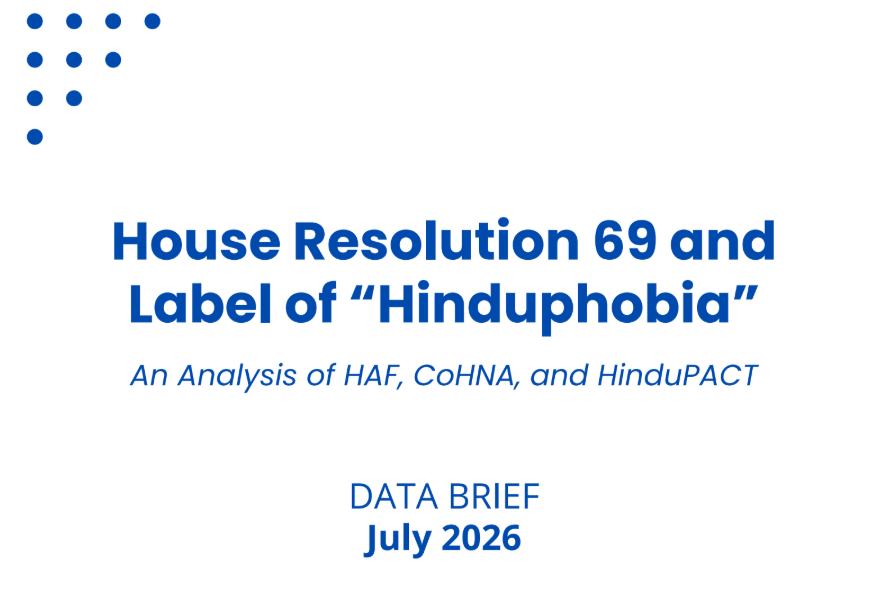
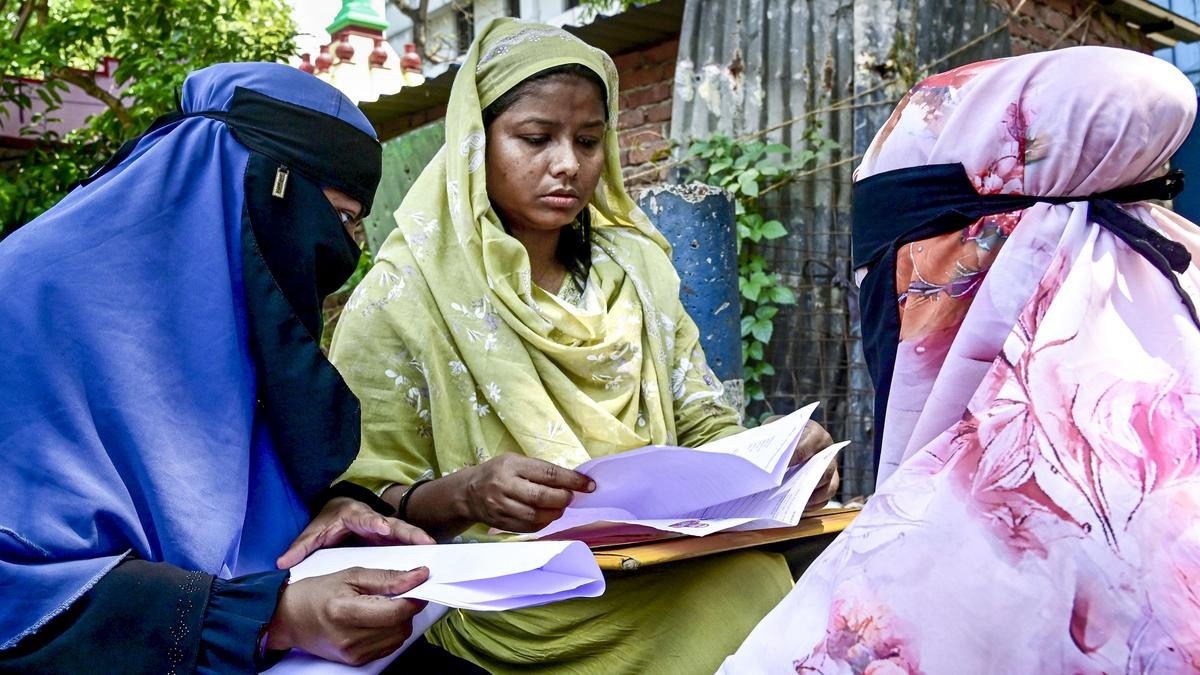
An IAMC data brief has found that the term “Hinduphobia”, which House Resolution 69 would for the first time lend congressional weight to at the federal level, is being used overwhelmingly not to combat genuine anti-Hindu bigotry but to silence critics of Hindu nationalism, the Modi government, and advocates for caste protections. The brief examined 242 items published by the three organizations driving the resolution, HAF, CoHNA and HinduPACT, and found that 36 per cent contained specific accusations of “Hinduphobia” directed almost entirely at academics, journalists and rights advocates rather than actual perpetrators of anti-Hindu hate.
(PTI)
Study finds Muslims were 70% of voters under adjudication in Bengal SIR
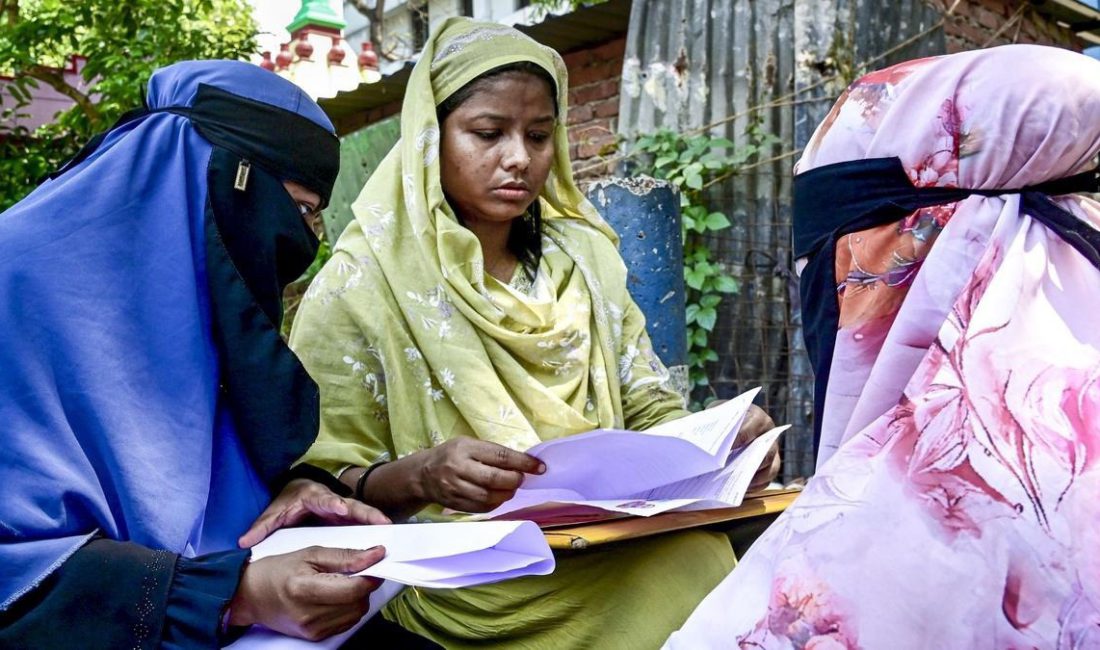
Muslims accounted for around 70 per cent of the more than 2.7 million voters placed under adjudication during West Bengal’s Special Intensive Revision of electoral rolls, a study by the Kolkata-based Sabar Institute found. Separately, UN Special Rapporteurs flagged the use of AI-driven models in the process, raising questions about whether algorithmic tools were being used to systematically exclude minority voters.
Dara Singh, convicted for murder of Christian missionary Graham Staines and his sons, set for release after 25 years
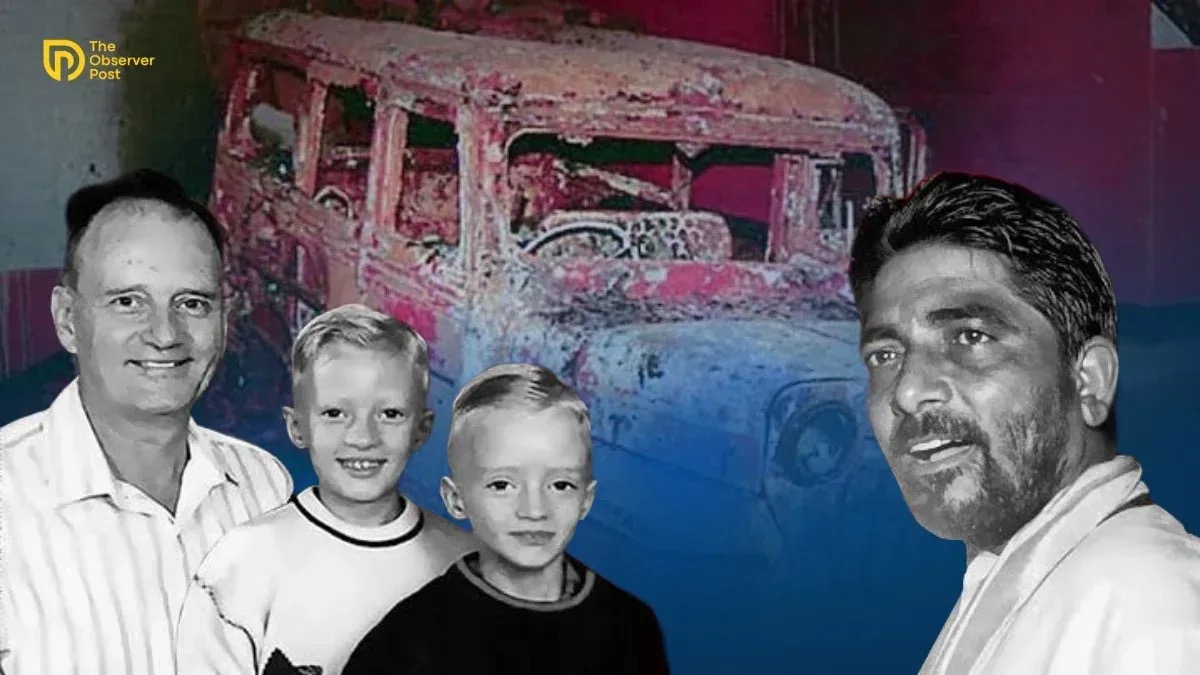
Dara Singh, the principal convict in the 1999 murder of Australian Christian missionary Graham Staines and his two young sons, is set to be released from prison after the Odisha State Sentence Review Board recommended his premature release on grounds of good behaviour. Singh, a Bajrang Dal member, was convicted for leading a mob that set fire to a station wagon, burning alive Staines and his sons Philip, 10, and Timothy, 6. Singh was also separately convicted of the murder of Muslim trader Shaikh Rehman, whose arms were severed before he was set on fire.
Gujarat operationalises anti-radicalization cells, lists beards, niqabs, Arabic greetings as “radicalization” indicators
The Gujarat government has operationalised anti-radicalization cells (ARCs) across the state under a confidential Standard Operating Procedure (SOP) issued by the State Intelligence Bureau. The SOP lists maintaining a beard, wearing a niqab, using common Arabic greetings and observing itikaf during Ramadan as behavioural markers warranting police attention, and envisages extensive surveillance of social media, messaging apps, and religious institutions. Critics have warned that the framework amounts to institutionalized communal profiling of the Muslim community.
Assam discloses 1,679 people sent to Bangladesh in two years
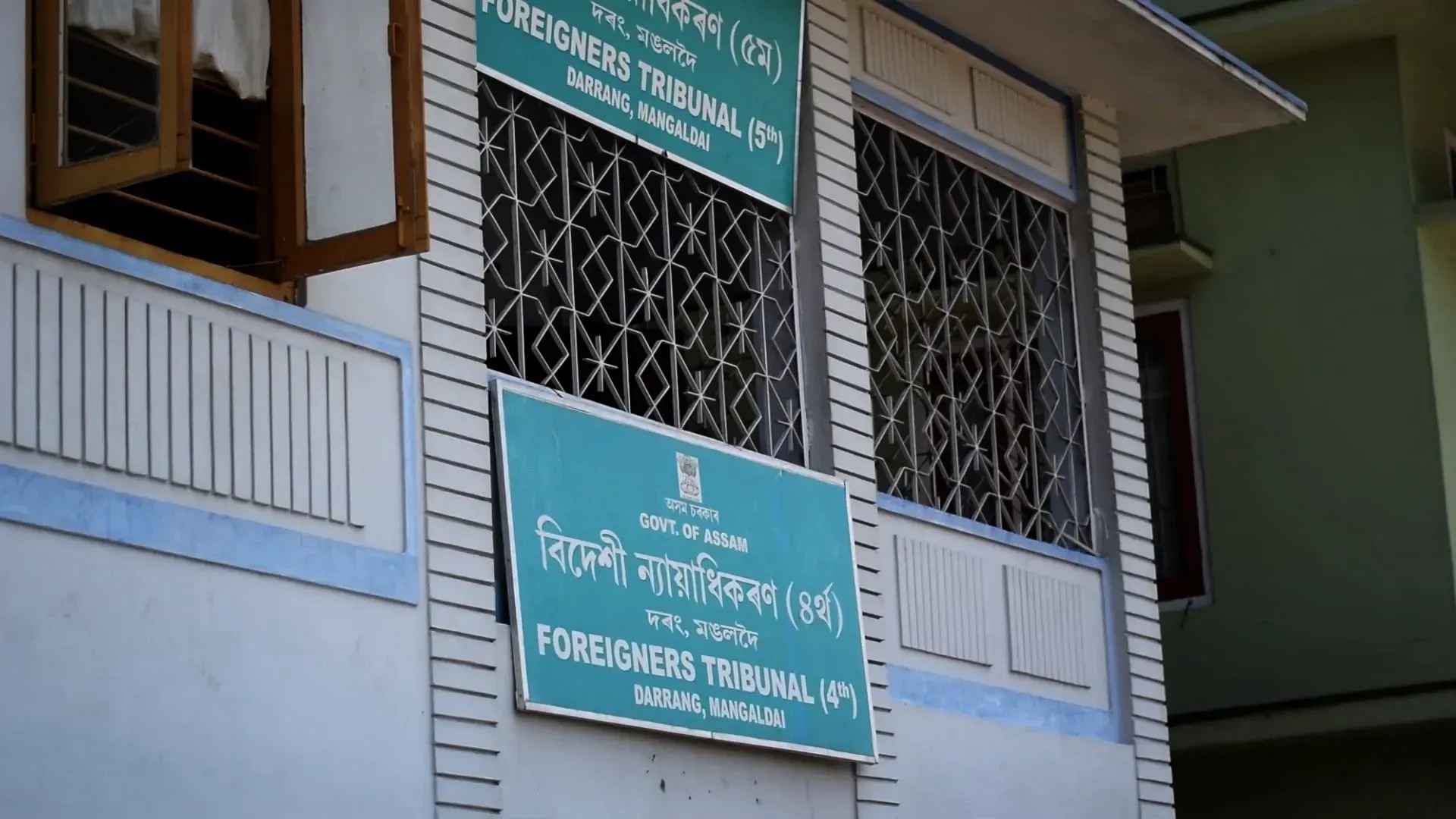
The Assam government disclosed that 1,679 people had been sent to Bangladesh over the past two years, including 193 individuals declared “foreigners” by Foreigners’ Tribunals. The disclosure comes amid a broader national pattern of targeting ethnic Bengali Muslims through voter deletions, deportations and citizenship challenges.
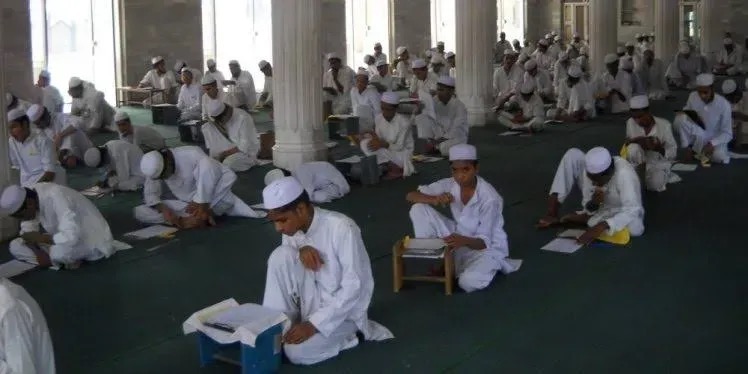
Uttarakhand ends grants for nearly 500 madrasas; Supreme Court rejects Bengal madrasa teachers’ pleas
The Uttarakhand government ended grants for nearly 500 madrasas after abolishing the state’s Madrasa Board and replacing it with a Minority Education Authority. Separately, the Supreme Court rejected the pleas of 350 West Bengal madrasa teachers and staff seeking regularisation and salary benefits.
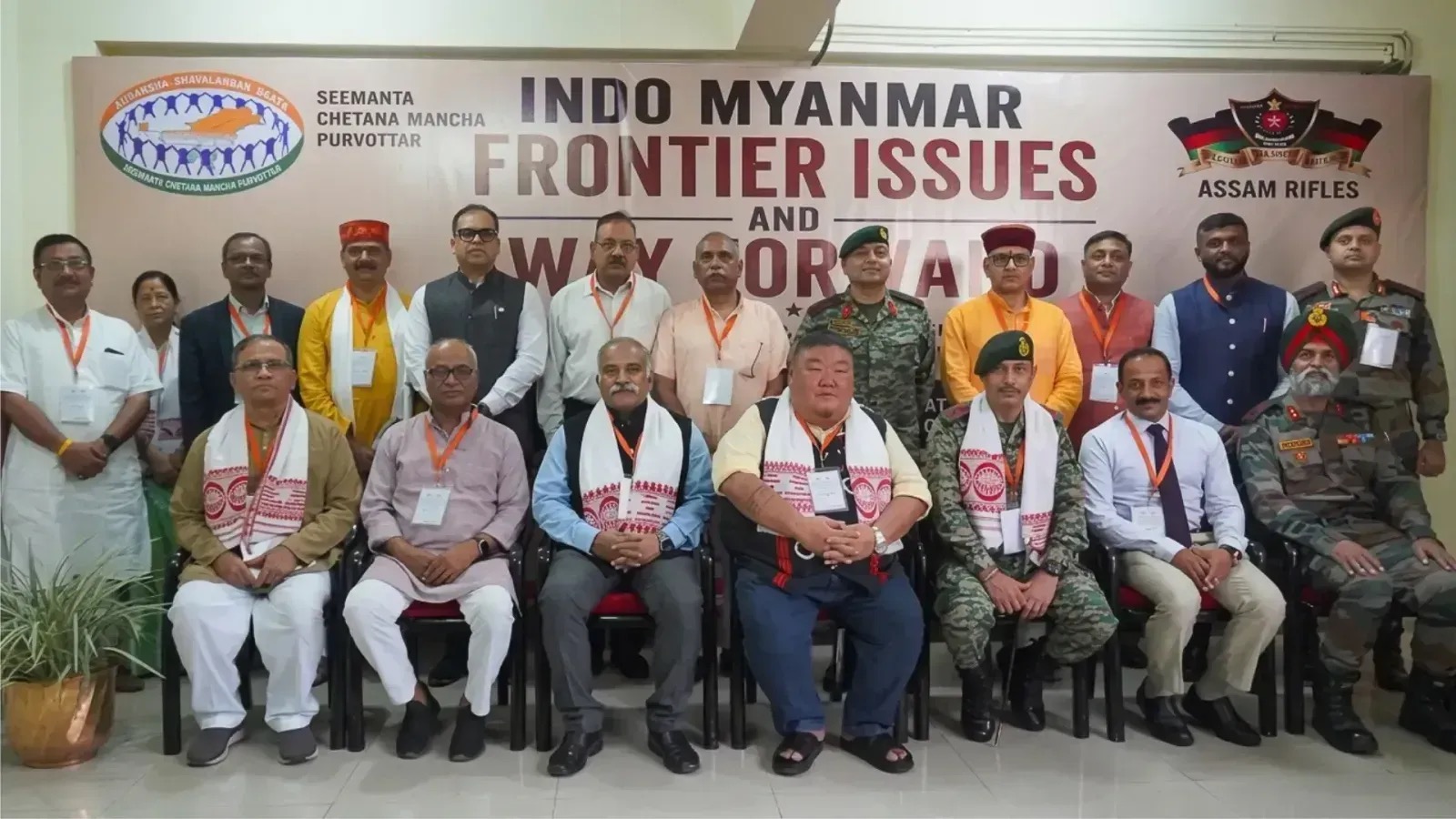
RSS affiliate co-hosts conference with Assam Rifles on Indo-Myanmar frontier
An RSS affiliate co-hosted a conference with the Assam Rifles on Indo-Myanmar frontier issues, raising concerns about the deepening of the RSS’s influence within India’s security establishment and its institutional access to military and border security operations. During the seminar, RSS veteran and spokesperson Jagdamba Mall linked Christianity to the growth of insurgency in Nagaland, while other RSS-affiliated speakers referred to tribal communities in the northeast as originally “Hindu.”
Hate crimes and discrimination in India
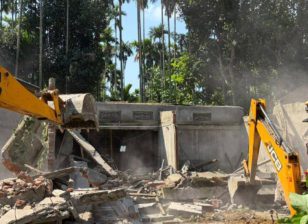
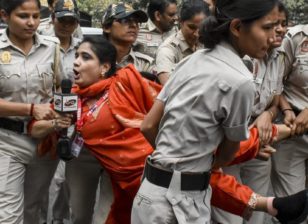
This week, three Muslim schoolboys in Maharashtra’s Latur were tied to a pole and assaulted, with police initially booking the victims rather than the attackers. In Uttarakhand, a Muslim man was harassed for selling mangoes on a roadside. In Dehradun, a group told a Muslim shop owner they wouldn’t allow his shop to operate in a “Hindu area.” In Lucknow, a Muslim youth was assaulted by a mob while returning from the gym. In West Bengal, content creator Musu Yesmin was arrested over alleged remarks against Amit Shah, and a former panchayat member named Saddam Hussain was arrested in UP over alleged remarks against the RSS, VHP and Bajrang Dal. Congregational prayers were suspended at a 136-year-old mosque inside Kolkata airport after worshippers were denied entry passes. The Hindu Raksha Dal claimed a Shiva temple exists beneath Darul Uloom Deoband and sought a probe. The Rajasthan High Court dismissed pleas against the demolition of mosques, dargahs and madrasas near the India-Pakistan border.
Resistance & Organizing
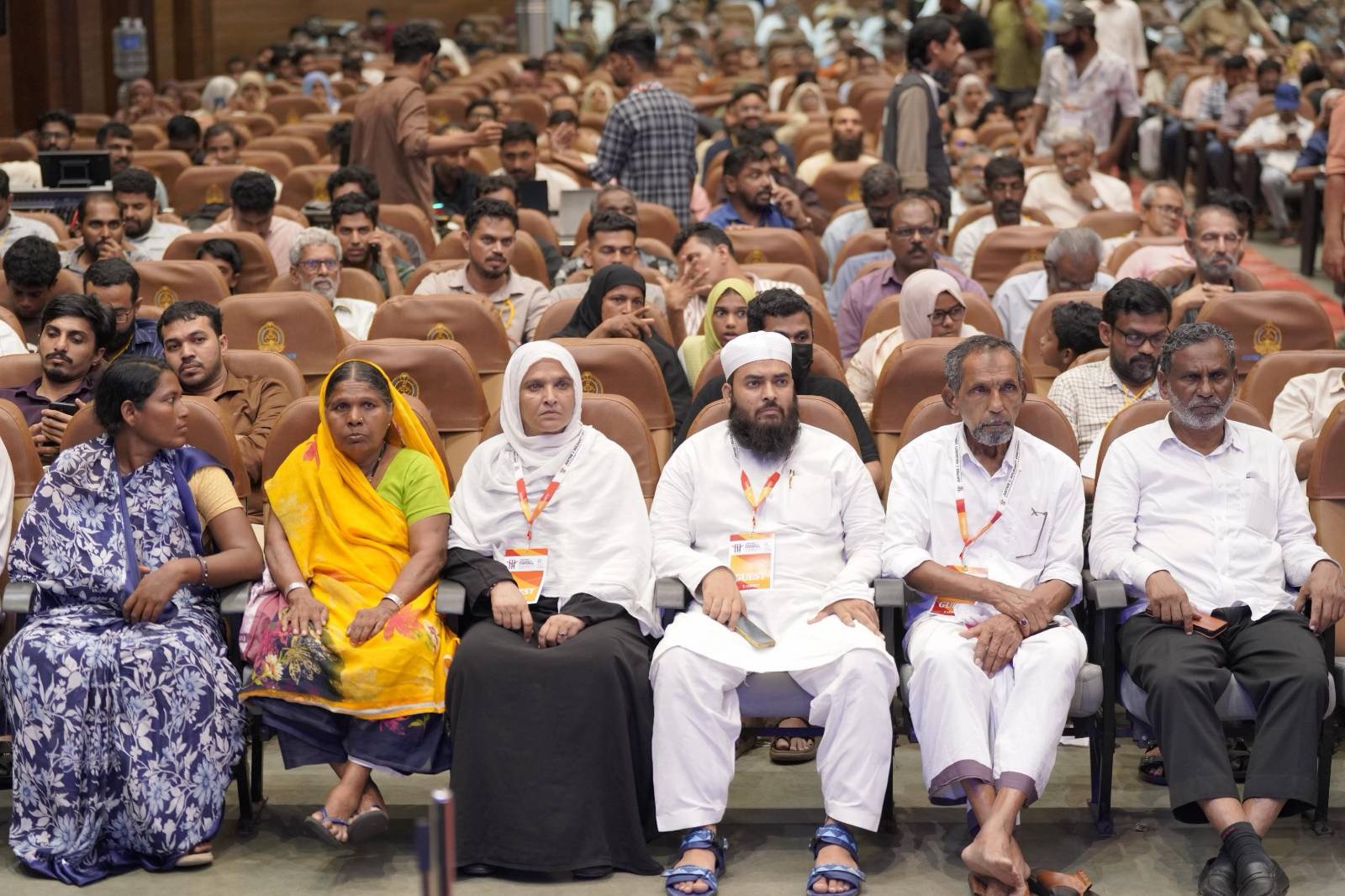
Survivors of wrongful incarceration and families of lynching victims reclaim their stories at Kochi gathering
At a gathering in Kochi, survivors of wrongful incarceration under anti-terror laws and families of mob lynching victims came together to publicly reclaim their stories, sharing firsthand testimonies of injustice, prolonged imprisonment and the devastation wrought on their families by India’s misuse of draconian law
Defenders of the Week
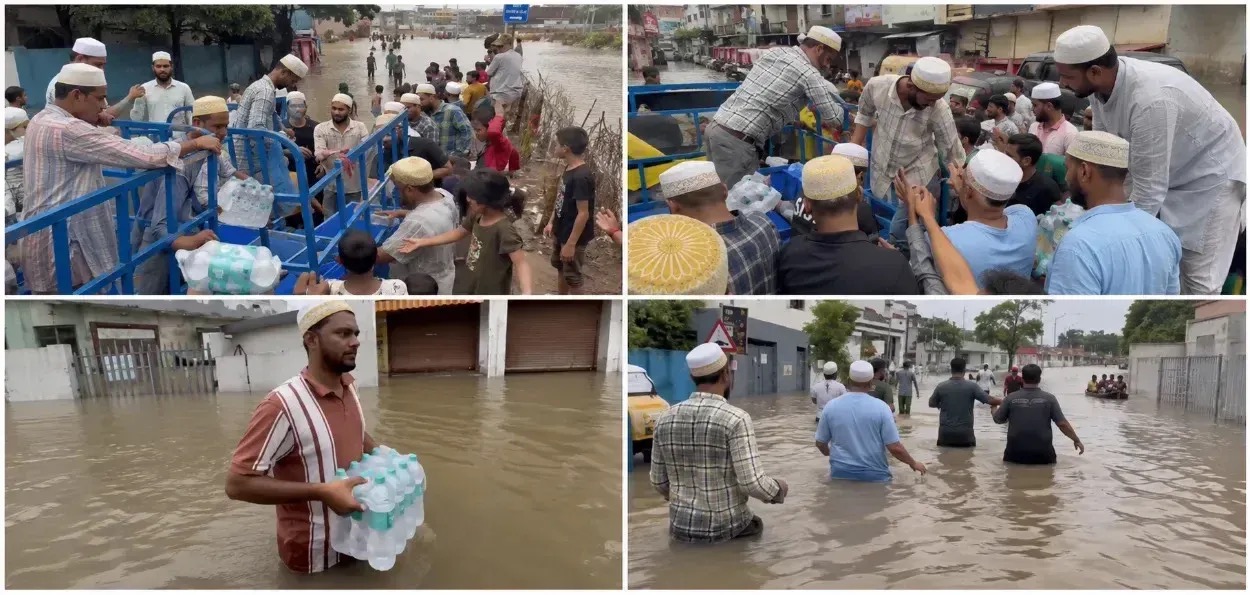
This week, we’re spotlighting the Muslim volunteers, mosques and charities of Gujarat who organized large-scale flood relief and rescue operations as devastating floods hit the state. While the Gujarat government was operationalising anti-radicalisation cells that list beards, niqabs, and Arabic greetings as indicators of “radicalisation,” Muslim community organizations across the state were mobilizing to provide shelter, cooked meals, clean drinking water and medical assistance to flood-affected families of all backgrounds. Mosques were converted into temporary relief shelters, and volunteers waded through floodwaters to evacuate stranded residents.
Voices from the Ground
“Any institutional framework that creates an impression of profiling a particular community would be inconsistent with the constitutional promise of equal protection of laws.”
— John Brittas, CPI(M) Rajya Sabha MP, in a letter to Gujarat Chief Minister Bhupendra Patel urging the suspension of the state’s Anti-Radicalisation SOP
IAMC in Action
- IAMC participated in the ICNA West Convention 2026 on July 11–12 at the Santa Clara Convention Center, CA. The event featured a panel discussion titled “Lessons from the Struggle of Indian Muslims”, followed by a breakout session on democratic backsliding in India, with Zeba Warsi, Foreign Affairs Journalist, and Safa Ahmed, IAMC Board Member.